Mosquito-Free Living Insights
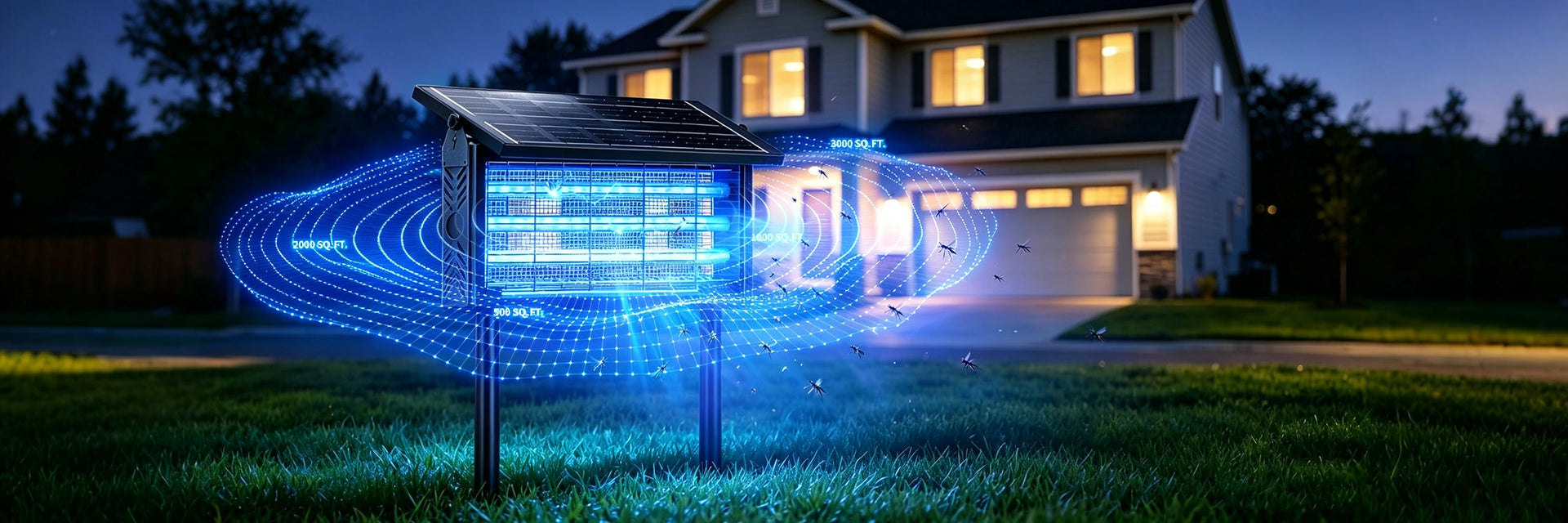
Do LED UV Lights Fade Over Time? Bulb Lifespan Explained
Expected lifespan hours, when to notice dimming. Learn more about bug zapper bulb lifespan and how to keep your outdoor space mosquito-free.
If you've owned a bug zapper for more than a season, you've probably wondered whether it's actually working as well as it did on day one. Unlike a traditional light bulb that burns out suddenly, LED UV lights fade gradually — which makes it easy to miss until your zapper just isn't catching much anymore. Here's what's actually happening inside that UV LED, how long it should last, and how to tell when it's time to think about a replacement.
Do LED UV Lights Actually Fade?
Yes — but not in the way older bulb types fail. Incandescent and fluorescent UV tubes tend to work at full output until they burn out completely, then stop working overnight. LEDs behave differently. They experience a process called lumen depreciation, where brightness slowly decreases over thousands of hours of use rather than cutting out all at once.
This is normal for all LED technology, not a defect specific to bug zappers. The UV LEDs used to attract mosquitoes and other flying insects are no exception — they're simply optimized for insect-attracting wavelengths rather than visible brightness, which is part of why the fade is harder to notice with the naked eye.
Expected Lifespan of a UV LED Bug Zapper Bulb
Lifespan varies by manufacturer and LED quality, but UV LEDs used in bug zappers are commonly cited in the range of 10,000 to 20,000 hours of use before their output drops to a level where they're significantly less effective at attracting insects — always worth checking the specific rating for your unit if the manufacturer publishes one. To put that range in perspective:
- Running the zapper 8 hours a night during mosquito season, that would put expected service life somewhere around 3–7 years, though this depends heavily on the specific LED and how consistently it's used.
- Seasonal use (only running it during warm months) stretches that lifespan out even further in calendar years, since the hour count only accumulates while it's actually on.
Keep in mind this is a gradual curve, not a hard cutoff — the LED doesn't "expire" at the stated hour mark, it simply continues dimming past that point.
When Will You Notice the Dimming?
Because the fade is gradual, most people don't consciously notice it happening in real time — and it's worth knowing that most of the output from a UV LED isn't in the visible spectrum to begin with, so judging its condition by eye is unreliable. Instead, you'll typically pick up on the fade through more practical signs:
- Fewer insects caught over time, even during weeks with similar mosquito activity to previous seasons — this is the most reliable indicator, since it reflects actual attraction performance rather than appearance
- A noticeably shorter effective range — insects that used to be drawn in from several feet away no longer seem to respond until they're much closer
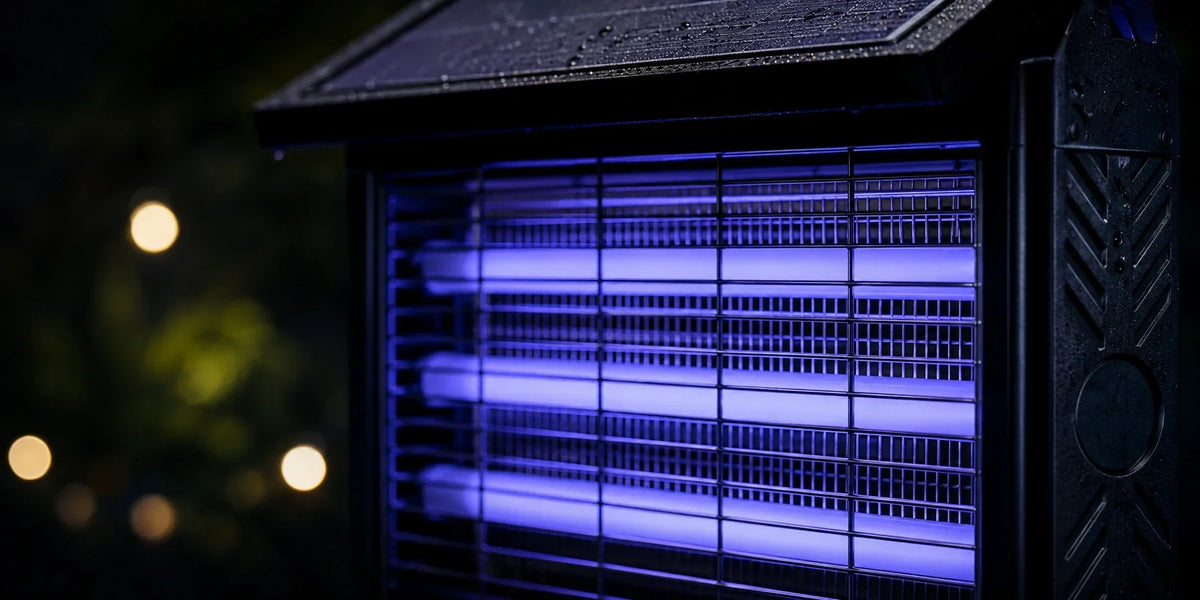
- A subtler violet or bluish glow than you remember, if your unit emits a visible companion light alongside the UV output — this can be a rough secondary clue, but it's not precise enough to rely on by itself
If you want a general sense of where your unit stands, tracking catch rate against roughly how many hours it's been running is a far more accurate approach than trying to eyeball brightness.
Factors That Affect How Fast a UV LED Fades
A few variables influence where your bulb lands within that lifespan range:
- Heat exposure. LEDs degrade faster when they run hot, so units left in direct sun or poorly ventilated housings may fade sooner.
- Run time per session. Leaving a zapper on continuously for long stretches accumulates hours faster than turning it on only in the evenings.
- Build quality of the LED itself. Not all UV LEDs are manufactured to the same standard, and cheaper components tend to depreciate faster.
- Weather exposure. Consistent exposure to humidity and temperature swings can accelerate wear on any electronic component, including the LED and its housing.
What to Do as Your Bulb Fades
- Keep it clean. Dust and insect residue on the LED housing can make dimming appear worse than it is — a quick wipe-down can restore some effectiveness.
- Check placement. As output fades, moving the unit slightly closer to the area you want protected can help compensate for reduced range.
- Track usage patterns. If catch rates drop off noticeably compared to previous seasons at similar mosquito activity levels, it's a good sign the LED is nearing the end of its effective life.
Final Thoughts
LED UV lights don't fail suddenly — they fade slowly over thousands of hours of use, which means your bug zapper can quietly become less effective long before it stops working entirely. Knowing the expected lifespan and watching for the early signs of dimming helps you get ahead of the drop-off, rather than wondering why your yard suddenly feels buggier than it used to.