Mosquito-Free Living Insights
Labor Day Weekend: Last Push for Mosquito-Free Gatherings
Labor Day: The Last Big Backyard Gathering of the Season
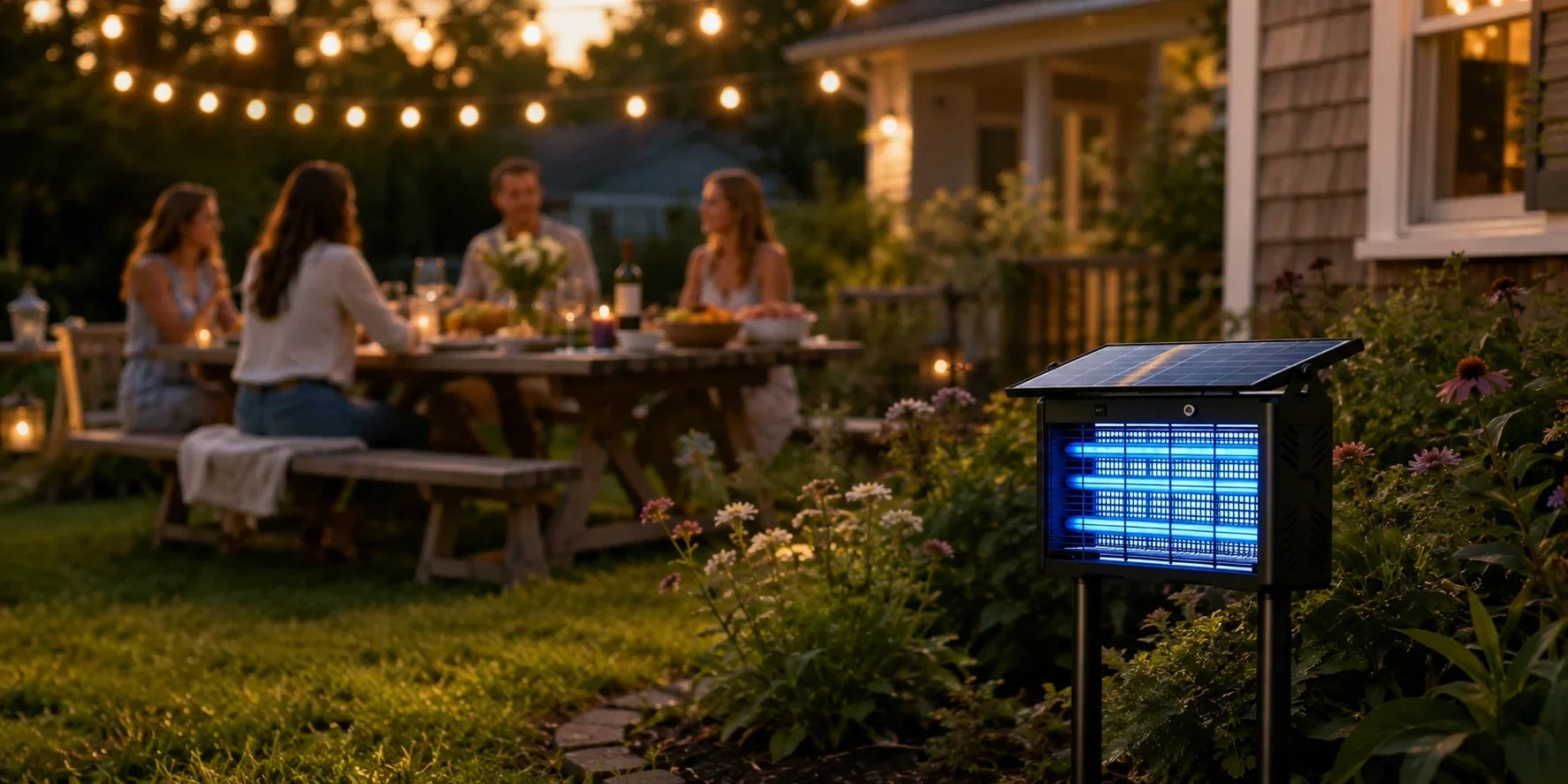
Labor Day weekend is often the final big outdoor gathering before schedules shift back to fall routines — cookouts, pool days, and yards full of family and friends late into the evening. It's also, inconveniently, one of the points in the year when mosquito populations in many regions are at or near their late-summer peak.
That combination — more people outdoors, later into the evening, right when mosquito numbers are highest — makes Labor Day weekend worth a little extra prep.
Why Mosquitoes Peak in Late Summer
Mosquito populations build cumulatively over the warm season. Each generation that hatches and matures adds to the pool of egg-laying adults, and by late August into early September, many regions are seeing the result of multiple breeding cycles compounding on top of each other. Warm nights extend active hours, and any late-summer rain can create fresh pockets of standing water for one more breeding cycle before temperatures drop.
In other words, the mosquitoes at your Labor Day barbecue aren't the same modest population you saw in June — they're often the accumulated result of an entire summer's breeding.
How a Solar Mosquito Trap Works, in Brief
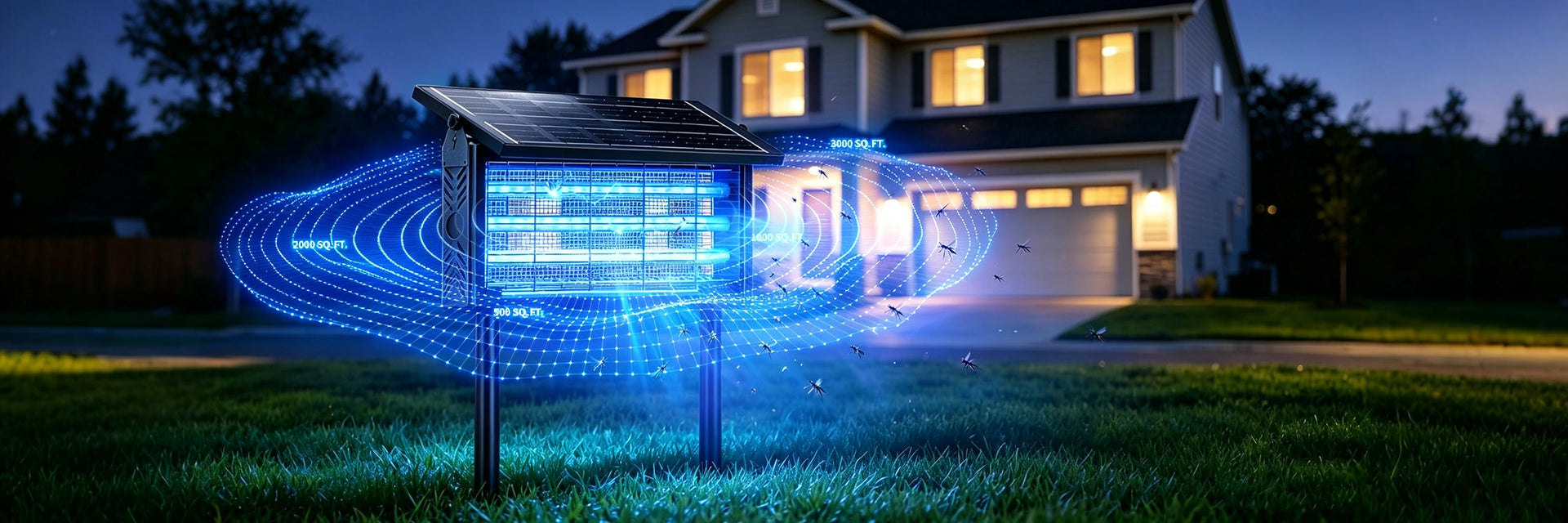
A solar mosquito trap runs on a simple cycle: a solar panel charges an internal battery during the day, a UV light attracts mosquitoes once it's dark, and a fan pulls them into a sealed collection chamber — no chemicals or electric shock involved. Because charging happens passively through the day, the trap needs reasonable daytime sun exposure and a bit of lead time before an event to actually be running at full capacity by evening, which is when late-summer mosquito activity tends to be highest.
A Late-Summer Mosquito Prep Checklist
Whether you're hosting a small family dinner or a full backyard party, a few days of preparation can make a noticeable difference:
- Walk the yard for standing water. Check anything that collects rain — planters, buckets, tarps, gutters, kiddie pools, even bottle caps. Late-summer storms are common, and fresh standing water can mean a new batch of mosquitoes within about a week.
- Trim back overgrown shade. Mosquitoes rest in cool, humid, shaded spots during the day. Tidying up dense shrubs or overgrown corners near the party area removes some of that daytime shelter.
- Set up 3–5 days ahead, not the morning of. Running the trap continuously in the days leading up to the event, rather than switching it on last-minute, is designed to give it more time in place against the elevated late-summer population.
- Check the solar panel's sun exposure. A spot with solid daytime sun keeps the battery charged through the evening hours when guests are still outside.
- Position seating away from the trap's pull zone. Place the trap near the yard's edges or shaded areas where mosquitoes tend to gather, keeping the actual seating and dining area a comfortable distance away.
- Keep it running after the party. In warmer regions, late-summer peaks don't always drop off right after Labor Day, so continuing into early fall covers the tail end of the season.
Labor Day sits right at the intersection of "last big outdoor event" and "highest mosquito numbers of the season" in many areas. A few days of proactive prep — clearing standing water, giving your trap a head start, and thinking through where guests will actually sit — goes a long way toward making the last cookout of summer a comfortable one.