Mosquito-Free Living Insights
3 Nights of Camping, One Solar Zapper — Here's What Actually Happened
The following is a first-person account from a camping trip. Individual results can vary depending on location, mosquito density, and weather conditions.
I'll admit I was skeptical. We were headed to a lake campsite that our friends had warned us was "brutal" for mosquitoes in August, and I didn't love the idea of relying on a solar gadget with no backup power source. But I packed the Murutoi zapper anyway, mostly because I didn't want to deal with citronella candles that blow out in the wind.
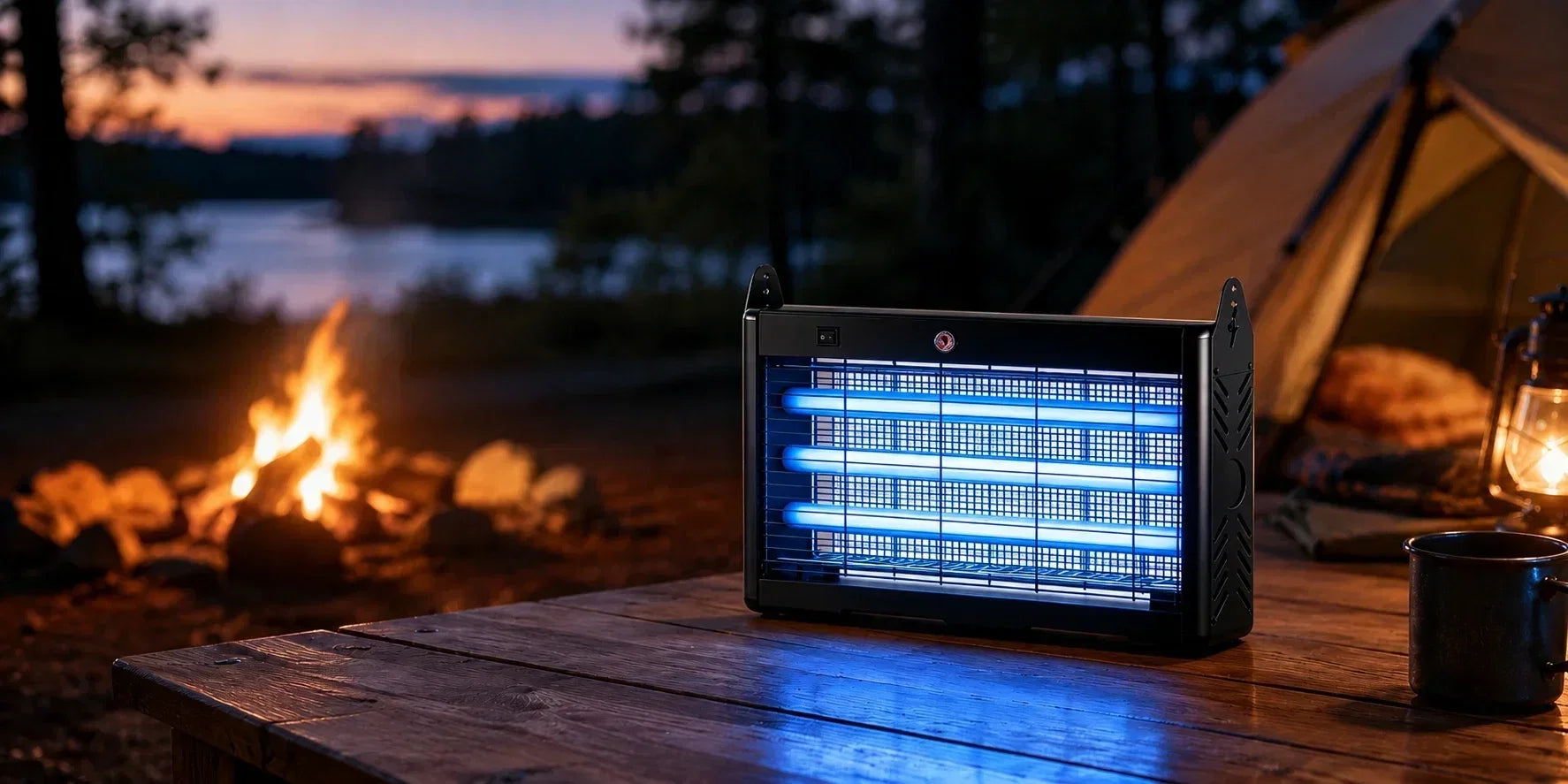
Night one We set it up on a picnic table about ten feet from our tent before dinner. It had been clipped to the truck dash charging in the sun most of the drive, so it was already at a decent charge by the time we arrived. Setup was genuinely just "place it and walk away" — no cords, no fuel, nothing to light.
Night two This was the real test. We sat around the fire until close to 11pm, and the mosquito pressure at this site really was as bad as advertised — we could hear them, and see them, near the treeline. We didn't get a completely bite-free night, but the difference near the zapper itself was noticeable compared to sitting further away from it.
Night three By the third day, the unit had been getting consistent sun during the day and didn't show any signs of losing charge overnight. We moved it closer to the tent entrance instead of the picnic table, which felt like it helped more than the exact placement mattered on previous nights.
Takeaway No zapper is going to make a heavily mosquito-populated campsite bite-free — that's just not realistic for any device. What I appreciated was not having to think about it: no propane, no batteries to swap, no cord to run to a generator. For car camping or a site with any daytime sun exposure, that trade-off was worth it for us.