Mosquito-Free Living Insights
How Often Should You Replace the UV Bulb?
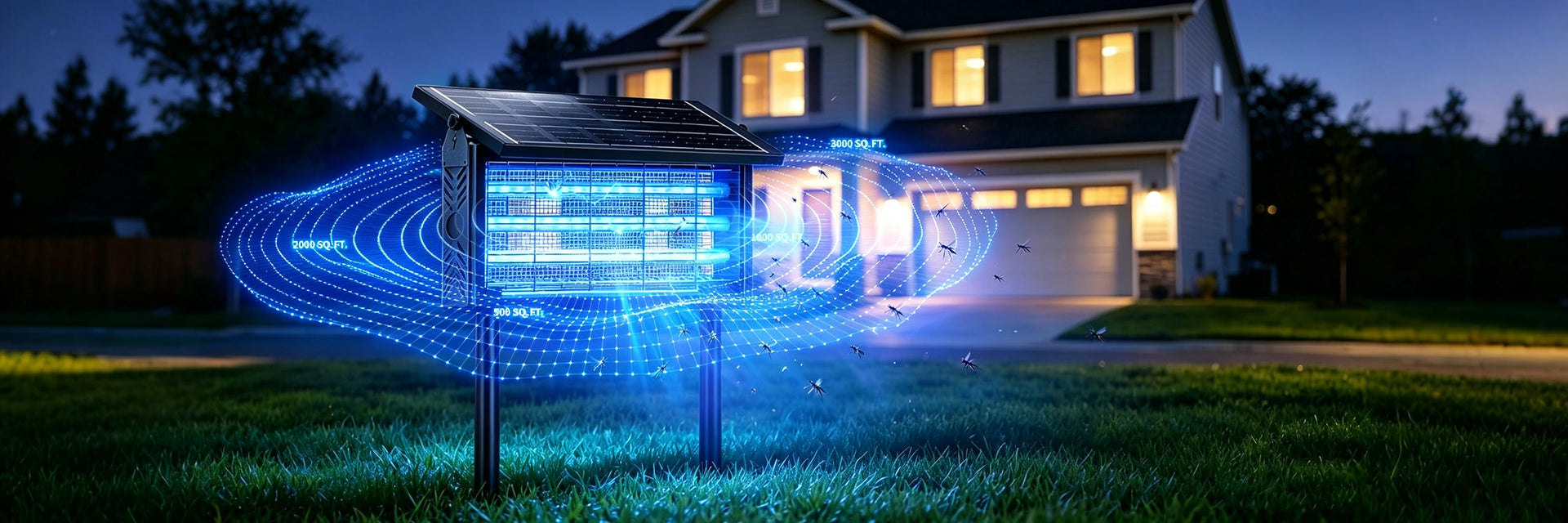
If your bug zapper suddenly seems less effective, the problem usually isn't the device itself — it's the UV output. The UV light is what actually attracts mosquitoes, and like any light source, its output fades over time. On Murutoi units, the UV LED is a sealed, built-in module rather than a swappable bulb, so there's no bulb to physically remove and replace. What you can control is knowing why the light dims and what to do about it.
Why UV Output Fades Over Time
UV output doesn't drop suddenly — it fades gradually, for two separate reasons.
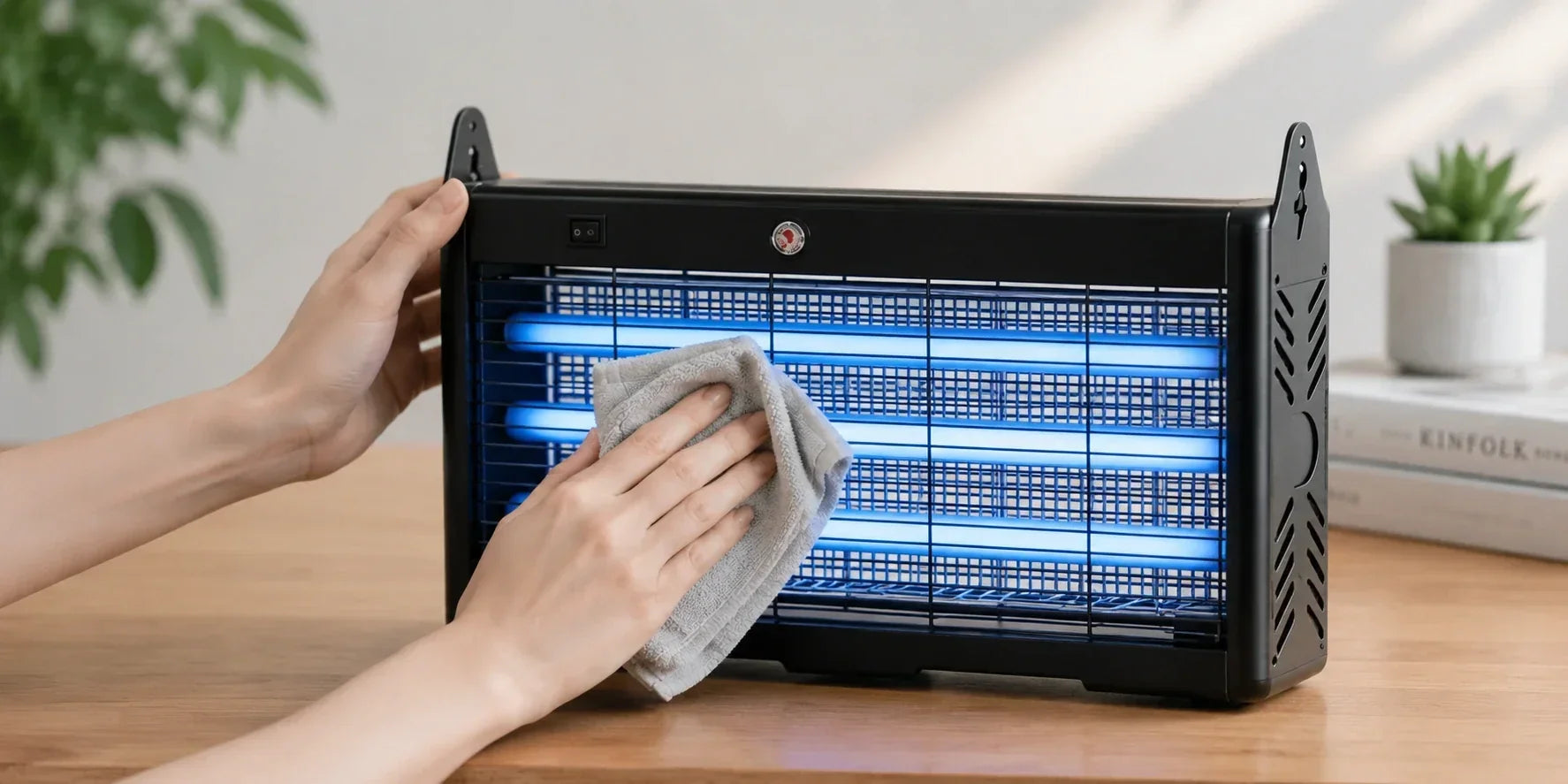
The first is surface grime. In our earlier post on cleaning your zapper, we noted that a dusty or dirty housing alone can cut brightness by up to 30%, which directly reduces how many mosquitoes the unit attracts. This is fully fixable with a regular wipe-down of the housing and the UV window.
The second is natural aging of the LED itself. Like all LEDs, the UV-emitting component slowly loses intensity with cumulative hours of use. This is a normal part of any LED's lifespan and isn't something cleaning can reverse — it's just gradual wear from operation.
That means two different things can be reducing your zapper's performance at the same time: surface dirt (fixable by cleaning) and LED aging (not fixable by cleaning). If you've already cleaned the unit and it's still noticeably dimmer than when it was new, aging is the more likely explanation.
General Lifespan Expectations
LED-based UV lights are generally built to hold meaningful output over a long service life — much longer than a traditional replaceable fluorescent tube. Exact lifespan varies by usage pattern and climate, but a few general patterns hold:
- Seasonal users: If you run the unit mainly during spring and summer, output typically holds up well season to season with regular cleaning.
- Year-round users: In warmer climates where the zapper runs most of the year, cumulative hours add up faster, so a gradual dimming over a few years is expected and normal.
- Heavy-use environments: Yards near standing water, wooded areas, or livestock tend to run the unit longer each night, which adds up to more cumulative hours and, over time, more noticeable dimming.
Signs Your UV Output Has Genuinely Dropped
- Visibly dimmer glow compared to when the unit was new, especially noticeable at dusk when it first turns on
- Fewer insects caught even though local mosquito activity hasn't dropped
- A flickering or inconsistent glow, which can indicate an issue beyond normal gradual aging
- The dimming persists after a thorough cleaning of the housing and UV window
That last point is the key test: clean the unit first. If brightness comes back, it was dirt. If it doesn't, you're looking at normal LED aging rather than something you can fix at home.
What This Means for Your Zapper
Because the UV LED is sealed into the unit, there's no bulb-swap step to walk through — cleaning is the maintenance you can do yourself, and it resolves the majority of dimming complaints. If a unit is still underperforming after a proper cleaning and it's within its expected service life, that points to normal wear on the LED module itself, which is a manufacturer support and warranty matter rather than a DIY fix.
Clean First, Then Assess
Since surface dirt alone accounts for a meaningful share of lost brightness, always clean the housing and UV window before assuming the unit has reached the end of its usable life. A simple habit — wiping down the unit at the start of each season, plus a quick mid-season check — keeps most units performing consistently for years without any dimming issue actually being a hardware problem.