

Mosquito-Free Living Insights

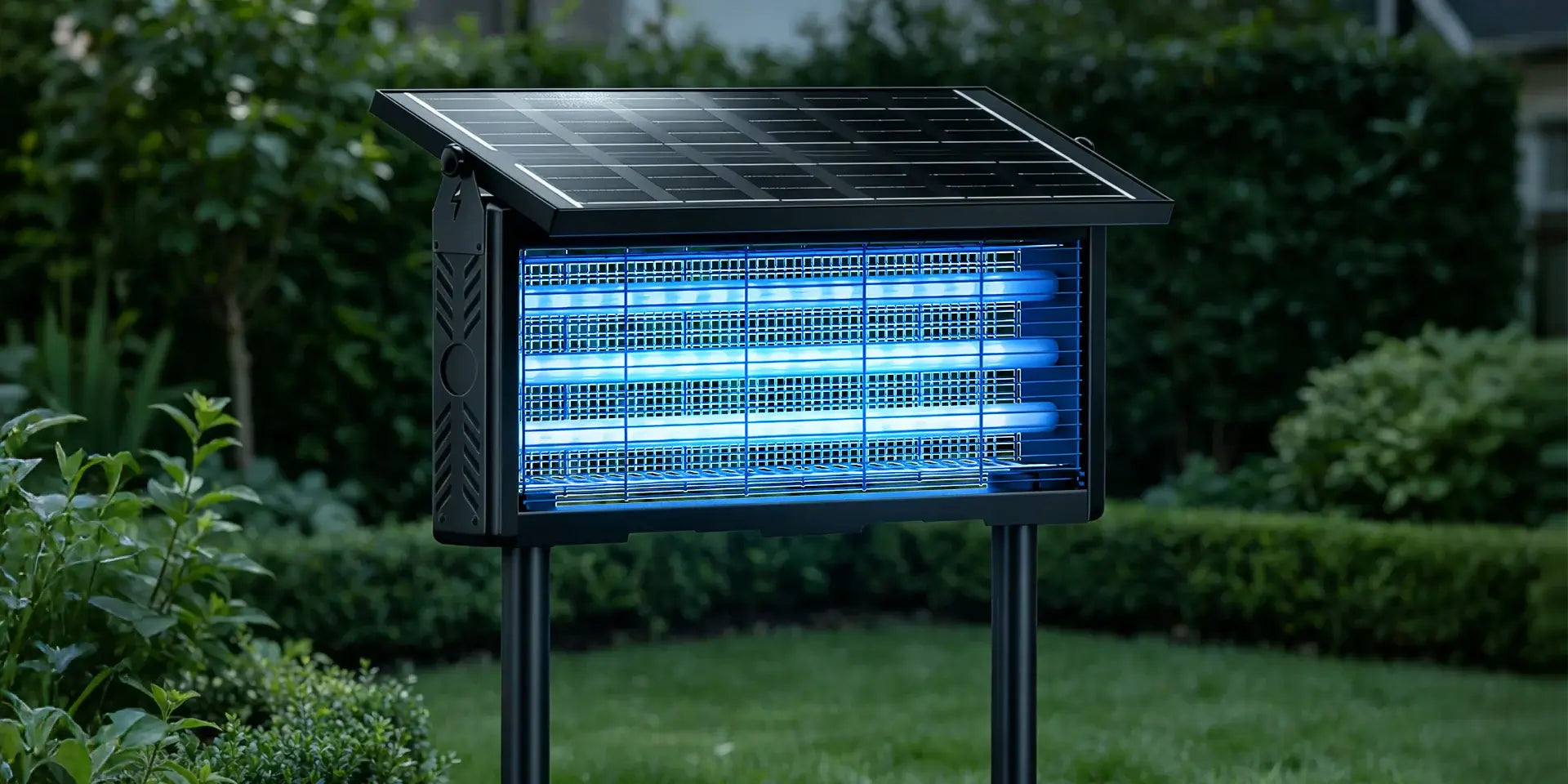
How to Clean Your Bug Zapper for Best Performance
A clean bug zapper kills more insects — it's that simple. Over time, dead bugs accumulate on the grid and collection tray, reducing the voltage's effectiveness and creating unpleasant odors that can drift across your patio on a warm evening.
Before you start cleaning, always unplug the unit and wait 10–15 minutes to allow the capacitor to discharge fully. Skipping this step is one of the most common mistakes people make, and it's also the easiest one to avoid — a few minutes of patience is all it takes to clean safely.
Once the unit is fully discharged, take a look at the grid and tray in good light. You'll usually see a mix of dust, wing fragments, and dried insect residue built up along the wires — this is exactly what starts to interfere with the zap efficiency over time, even if the light still looks like it's working normally.
Use a soft brush or a vacuum with a brush attachment to remove debris from the electric grid and collection tray. Avoid using water or metal tools, as either can damage the internal components or create a risk of shock. A dry, gentle touch is really all the grid ever needs — there's no need to scrub or apply pressure.
The UV bulbs deserve a little extra attention. Wipe them gently with a dry cloth about once a month — finger oils and dust can dim the light output and reduce mosquito attraction by up to 30%, which means more bugs surviving the night instead of ending up in the tray.
Don't forget the collection tray itself. Empty it after every few nights of heavy use, especially during peak mosquito season, so debris doesn't build up faster than you're cleaning it. A full tray can also block airflow around the grid, making the whole unit less effective.
For most users, cleaning every two weeks during summer and once a month in cooler seasons is enough to keep the zapper working at full strength. It's a small habit that takes less than five minutes but can roughly double the lifespan of the unit.
Think of it the same way you'd think of changing an air filter: easy to forget, but the difference in performance is obvious once you stay on top of it. A five-minute clean now saves you a far more frustrating fix — or a full replacement — later.