Mosquito-Free Living Insights
Mosquito Season by US Region: When to Set Up Your Solar Bug Zapper
Mosquito season doesn't hit every part of the country the same way. If you live in Florida, you might already be swatting bugs in February. If you're in Minnesota, you probably won't see a single mosquito until late May. Setting up your bug zapper at the right time — instead of waiting until you're already covered in bites — makes a huge difference in how well it works.
The South & Gulf Coast (Florida, Louisiana, Texas, Georgia)
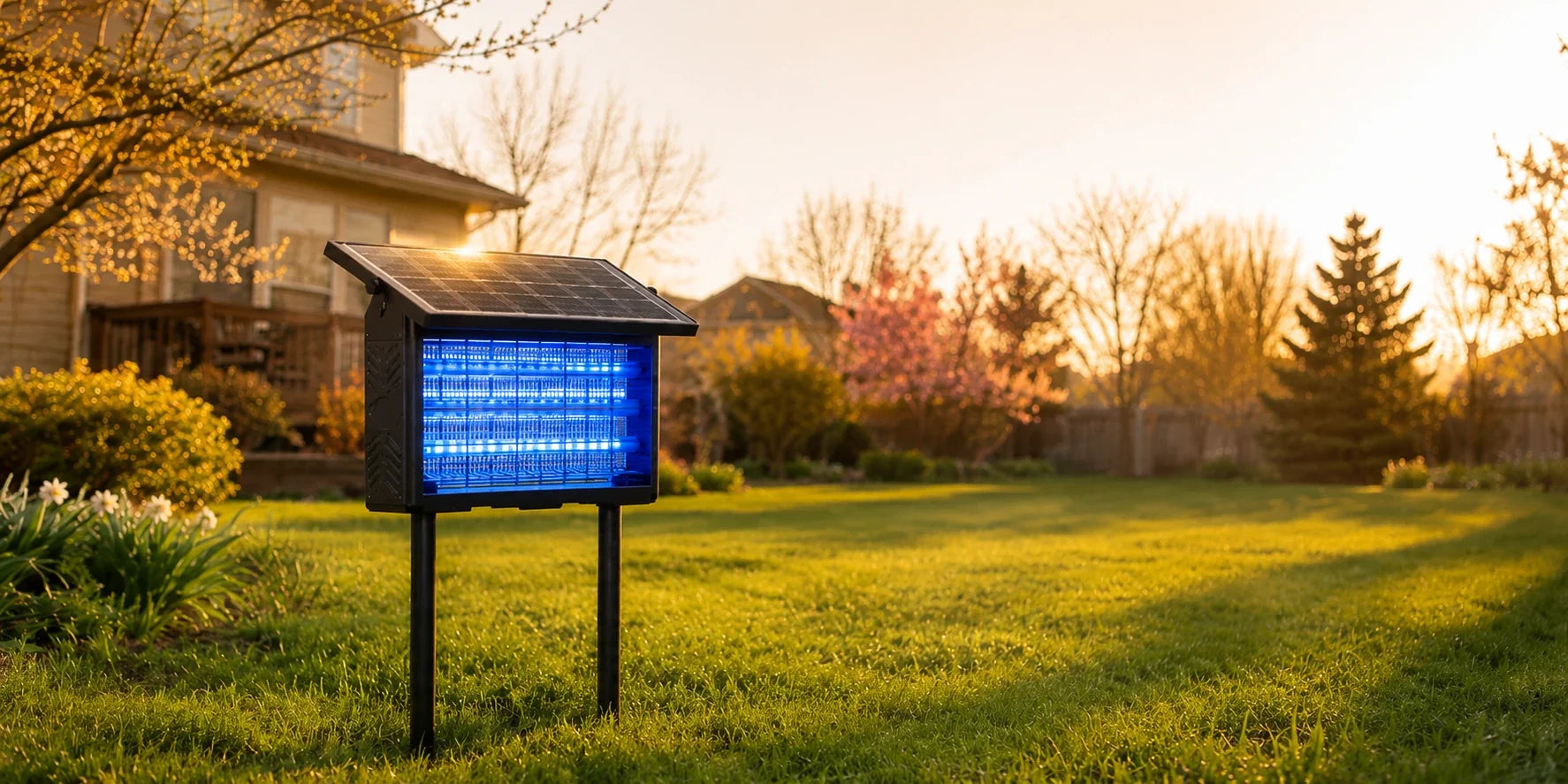
Warm, humid climates keep mosquitoes active almost year-round here. Peak season typically runs from March through November, and in South Florida and coastal Louisiana it rarely fully stops. Set up by late February or early March, before the first heat wave hits — standing water from spring rains is when populations explode fastest. Because this region also sees heavy rain and humidity, a weatherproof, solar-powered zapper is especially useful, since there's no worrying about outdoor outlets or soaked extension cords.
The Southwest (Arizona, Nevada, New Mexico)
Dry climates keep overall mosquito numbers lower, but irrigation, pools, and monsoon season (July–September) create sudden breeding spots. Set up before monsoon season begins in early summer — if you have a pool, irrigation system, or even a birdbath, mosquitoes will find it fast once the rains start.
The Midwest (Ohio, Illinois, Michigan, Minnesota, Wisconsin)
A shorter but intense season, typically May through September, peaking in June and July after spring thaw and rainfall. Set up by early May, once temperatures consistently stay above 50°F — Midwest mosquitoes tend to arrive in large numbers all at once.
The Northeast (New York, Massachusetts, Pennsylvania, New Jersey)
Similar to the Midwest but with a slightly longer season, usually April through October, especially in coastal and wooded areas with more standing water and shade. Set up by mid-to-late April, or sooner if you live near wetlands or a shaded backyard.
The Pacific Northwest (Washington, Oregon)
A milder, shorter season, generally June through September, thanks to cooler temperatures. Frequent rain can still create standing water outside peak months, so set up by early-to-mid June, or sooner if you notice water collecting after spring rains.
The Mountain West (Colorado, Utah, Montana, Idaho)
Elevation matters a lot here — lower valley areas near rivers and lakes see far more mosquito activity than higher elevations. Season generally runs May through September. Set up by early May in valley and riverside areas, slightly later at higher elevations.
The Bottom Line
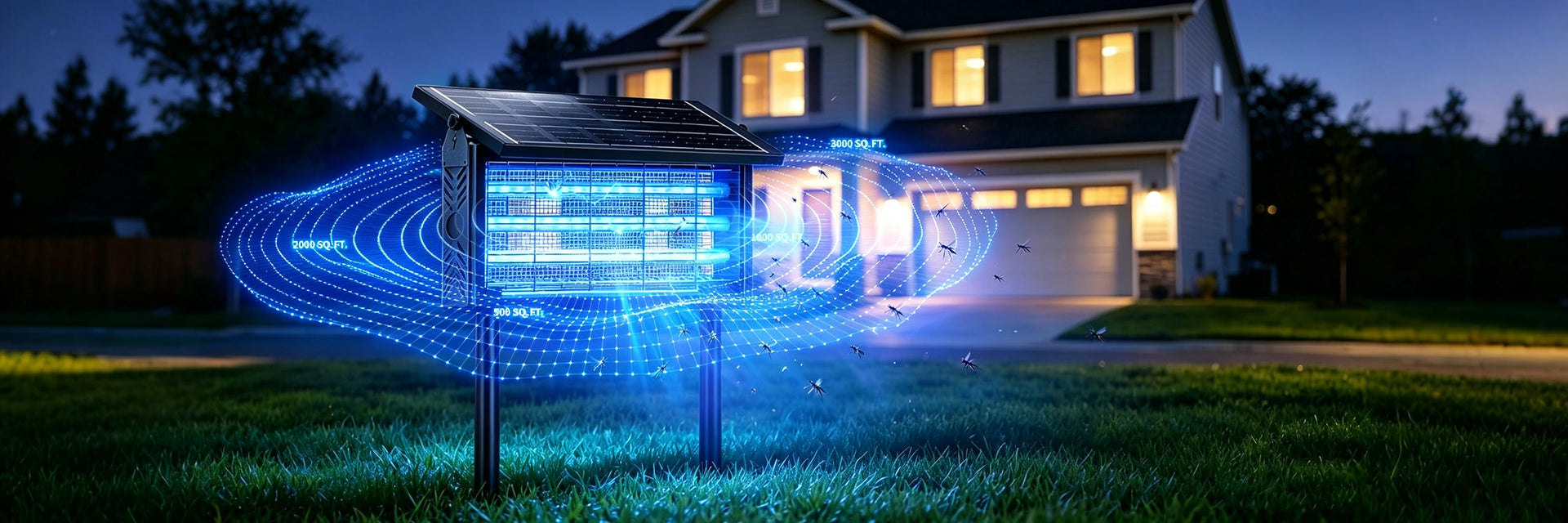
Wherever you live, the pattern is the same: mosquito populations build up fast once temperatures and standing water hit the right combination. By the time you're noticing regular bites, the population has often already peaked. Setting up a solar bug zapper 2–3 weeks before your region's typical season start gives it time to start reducing the population before it gets out of hand. And because it doesn't need an outlet, you can place it wherever mosquitoes actually gather — near standing water, shaded yard edges, or wherever you spend the most time outdoors.
Not sure when your area's season typically starts? Check your local health department or extension office's mosquito surveillance reports for more precise timing.