
Mosquito-Free Living Insights

West Nile Virus & Backyard Mosquitoes: What You Should Know
Mosquito season means more than just itchy bites. West Nile virus (WNV) is the leading cause of mosquito-borne illness in the continental United States, and public health officials are tracking an unusually early and active season in 2026 — the earliest surge in over two decades, according to the CDC. Whether or not you're in a high-activity area, it's worth understanding how the virus spreads and what you can actually do about it in your own backyard.
How West Nile virus spreads
West Nile virus is spread almost exclusively through the bite of an infected mosquito. Mosquitoes pick up the virus after feeding on infected birds, then pass it to people and animals through subsequent bites. Person-to-person transmission is not a concern for casual contact — the virus does not spread through touching, coughing, or being near someone who's infected.
What symptoms look like
Most people infected with West Nile virus never notice any symptoms at all. Of those who do get sick, the CDC estimates roughly one in five develop fever along with headache, body aches, joint pain, vomiting, diarrhea, or rash. A much smaller share of infections — less than 1% — progress to severe neuroinvasive disease, which can affect the brain or spinal cord and may require hospitalization. Risk of severe illness increases with age, particularly for adults over 60, and for people with certain underlying health conditions.
There's currently no vaccine or antiviral medication for West Nile virus in people. Treatment for mild cases is generally supportive — rest, fluids, and over-the-counter pain relief — while severe cases require hospital care.
Why backyard prevention matters
Because there's no vaccine, avoiding mosquito bites is the primary line of defense. That means layering a few strategies rather than relying on any single product:
- Eliminate standing water. Mosquitoes that carry West Nile virus breed in stagnant water — even small amounts in gutters, plant saucers, or buckets. Checking your yard weekly for standing water is one of the most effective things you can do.
- Use an EPA-registered repellent when spending time outdoors, especially during dawn and dusk hours when mosquito activity peaks.
- Keep screens in good repair on windows and doors to keep mosquitoes out of the house.
- Reduce mosquito landing spots by keeping grass trimmed and clearing brush piles where mosquitoes rest during the day.
Where a yard-level tool fits in
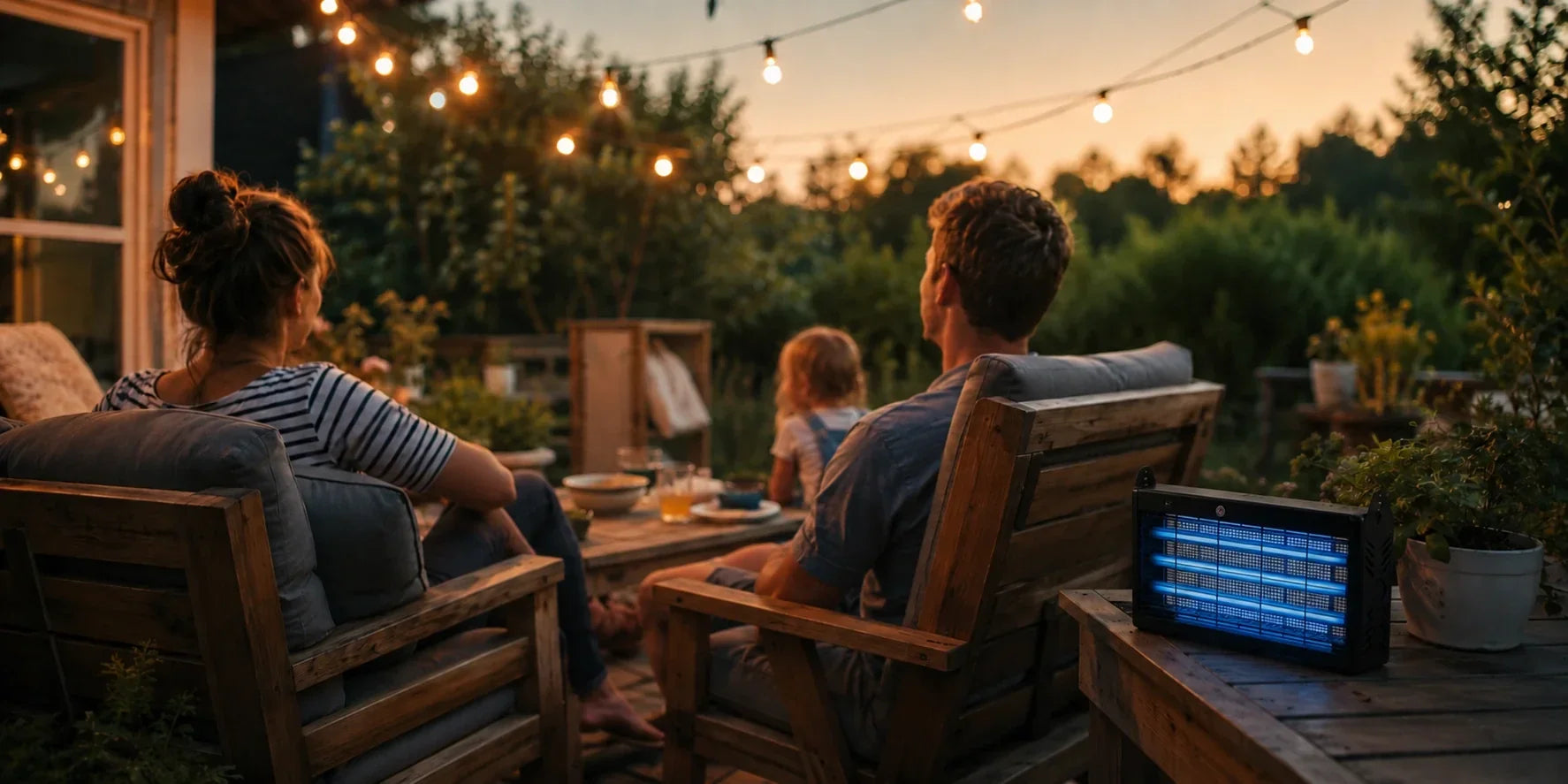
A solar-powered mosquito trap like Murutoi isn't a replacement for repellent or a substitute for removing standing water — nothing sold as a home product is. What it can do is run quietly through the night in the area of your yard where you actually spend time, working as one more layer in a broader mosquito-reduction routine, alongside the CDC-recommended steps above. Think of it as part of your outdoor setup, not a stand-alone fix.
West Nile virus is a real and, in 2026, an unusually active seasonal risk — but for most healthy people, the illness is mild or unnoticeable. The most effective protection is still the boring stuff: dump standing water, wear repellent during peak hours, and keep screens intact. Backyard tools can support that routine, but they work best as a supplement, not a substitute.
This article is for general informational purposes and isn't a substitute for medical advice. If you think you may have West Nile virus, talk to a healthcare provider.