Mosquito-Free Living Insights
Mountain West Mosquito Season: Colorado & Utah Elevation Guide
Why Elevation Matters More in the Mountain West Than Almost Anywhere Else
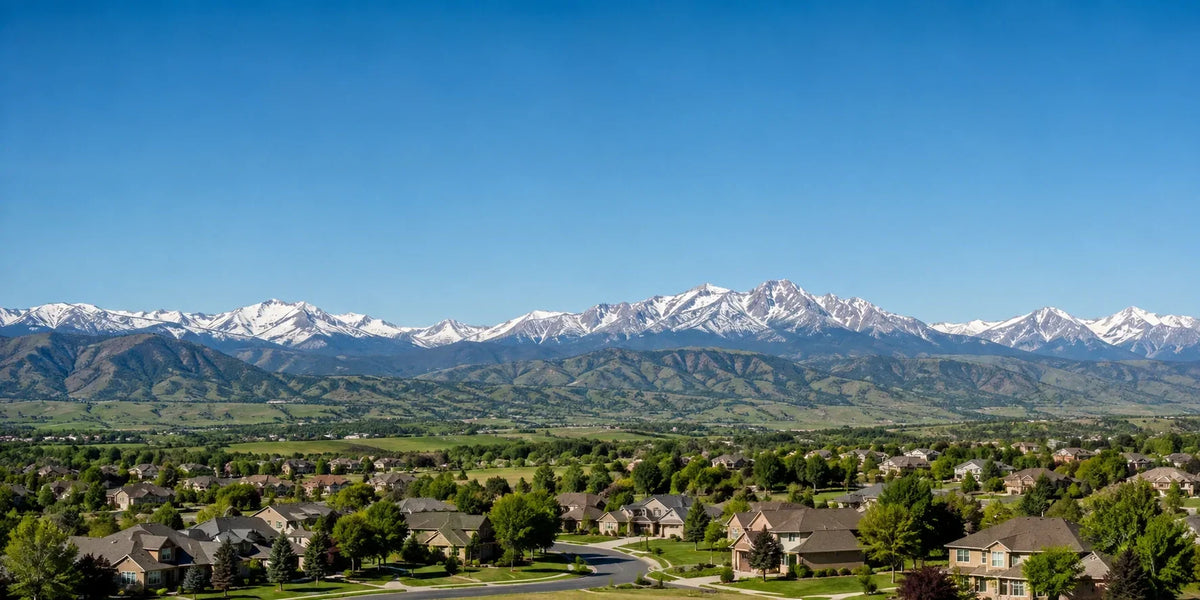
Ask someone in Denver and someone in a mountain town an hour away when "mosquito season" starts, and you'll likely get two different answers. In the Mountain West, elevation does more to shape mosquito activity than it does in most other parts of the country — and that's largely because temperature, snowmelt timing, and irrigation patterns all shift dramatically as you climb.
Mosquitoes need standing water to breed and warm enough temperatures to stay active. In Colorado and Utah, both of those conditions arrive at very different times depending on where you are.
The elevation bands below are general reference points, not fixed scientific boundaries — actual activity in any given yard depends just as much on local terrain, vegetation, and nearby water sources as it does on elevation alone.
Valley and Front Range Areas (Roughly Below 5,500 ft)
Cities like Denver, Fort Collins, Salt Lake City, and the lower Wasatch Front tend to see mosquito activity ramp up earlier — typically from late spring through the end of summer. Irrigation, urban landscaping with sprinkler systems, and warmer nighttime temperatures all contribute to a longer active window.
Common patterns in these areas:
- Activity often builds through June and can remain steady into September
- Irrigated lawns, gutters, and ornamental ponds are frequent local breeding sources
- Evening and early-morning hours tend to see the most activity, especially on humid or still nights
Mid-Elevation Foothills and Front Range Towns (Roughly 5,500–7,500 ft)
Towns in the foothills — parts of Boulder County, areas around Golden, or mid-elevation Utah communities — often see a shorter, later season. Snowmelt timing plays a bigger role here, since spring runoff and seasonal streams create temporary breeding pools that dry up as summer progresses.
- Season often starts a few weeks later than valley floors
- Activity can spike sharply right after snowmelt or heavy spring rain
- Temporary pools and slow-moving runoff are more significant breeding sources than irrigation
High Country (Roughly Above 7,500–8,000 ft)
In mountain towns like those near Vail, Breckenridge, or higher-elevation parts of Utah's Wasatch Back, mosquito season is typically shorter and less intense overall. Cooler nighttime temperatures slow mosquito development, and the window of active breeding is more compressed.
- Season is often noticeably shorter, sometimes just a handful of weeks in mid-summer
- Activity is more tied to specific wet spots — marshy meadows, slow streams, or forested areas with poor drainage
- A single warm, wet stretch can still produce a noticeable spike even at higher elevations
What This Means for Backyard Prevention
Because timing varies so much by elevation, a one-size-fits-all prevention calendar doesn't work well across Colorado and Utah. A few practical takeaways:
- Valley residents should plan for a longer season and check irrigated areas, gutters, and standing water sources regularly from late spring onward.
- Foothill residents should pay close attention right after snowmelt and spring storms, since that's often when activity spikes fastest.
- High-country residents can generally expect a shorter window but shouldn't assume elevation alone rules out mosquitoes — localized wet spots still matter.
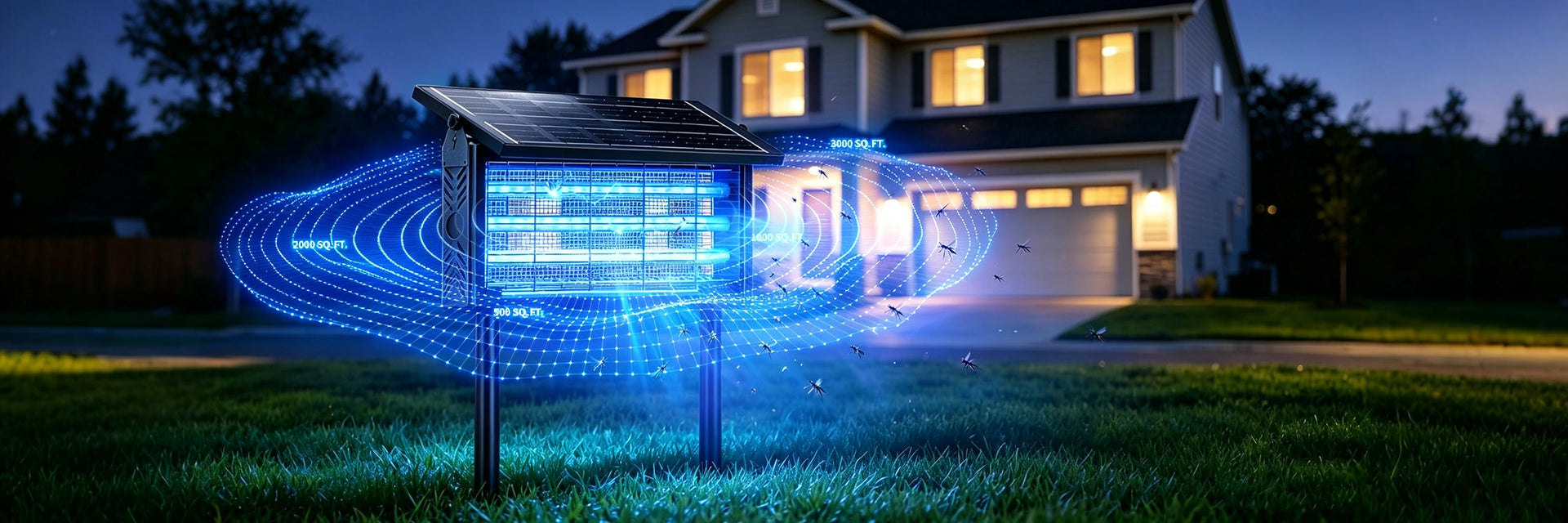
Across all elevations, a solar mosquito zapper placed near the areas where people actually gather — a patio, deck, or fire pit — can help reduce activity during whichever window is relevant to a given location, without relying on a fixed outlet or seasonal cord setup.