
Mosquito-Free Living Insights
Pacific Northwest Mosquito Season: Washington & Oregon Timing
If you live in Seattle, Portland, or anywhere in between, you've probably noticed something odd about mosquitoes here: they don't follow the calendar the way they do in the Midwest or the South. The Pacific Northwest has its own rulebook, and rain — not heat — is usually the one writing it.
Why the PNW Doesn't Follow the "Summer Only" Rule
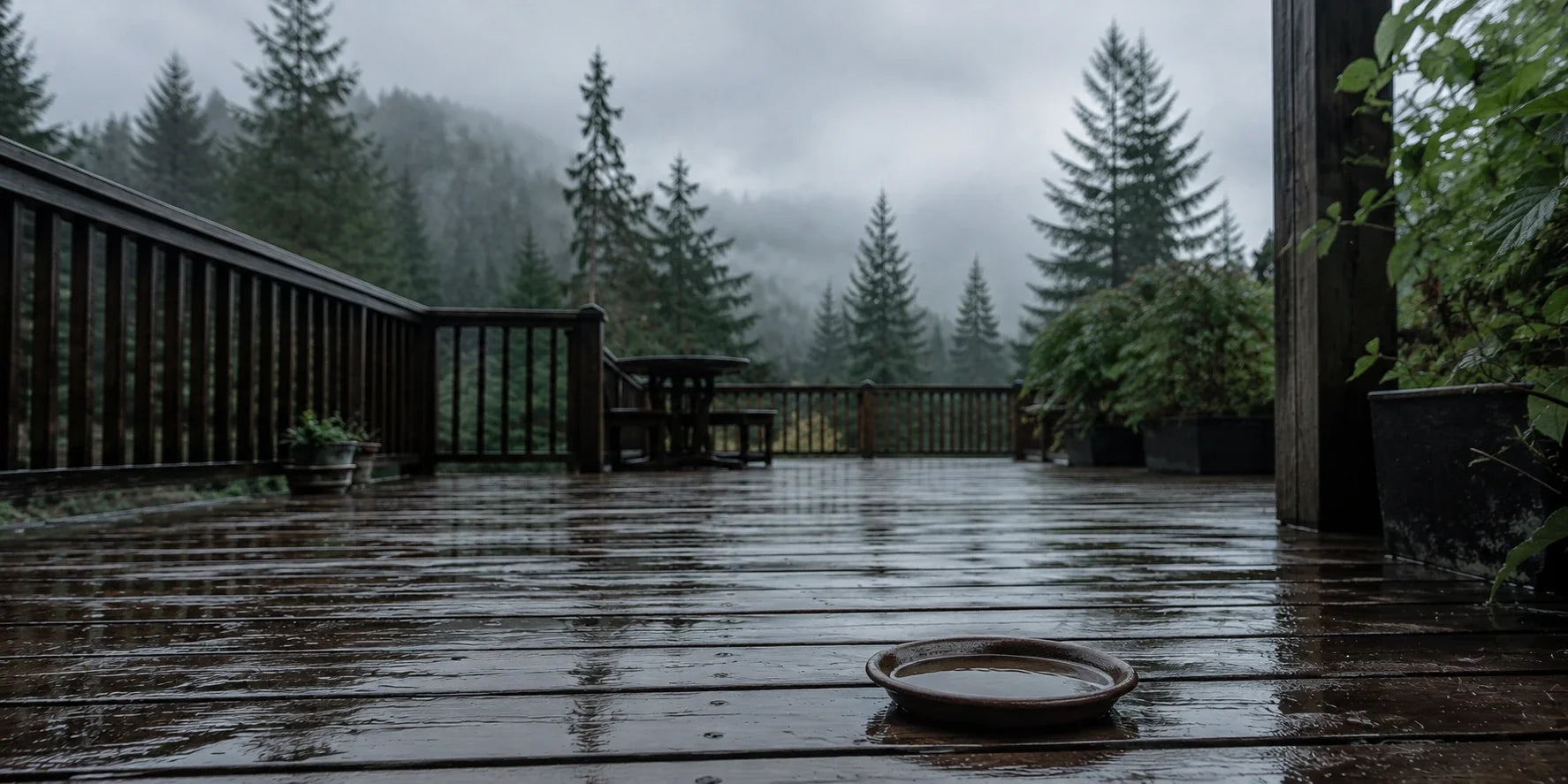
In most of the country, mosquito season is a tidy block of hot, humid months. In Washington and Oregon, the pattern is messier. Mosquitoes need standing water to breed, and the region's long, wet stretches from fall through spring create exactly that — pockets of water sitting in yards, gutters, and containers for days after a storm.
That means the traditional "peak season" window (roughly June through September) doesn't tell the whole story. A warm, wet week in April or a mild, rainy October can trigger a small but noticeable spike in mosquito activity, even though it falls outside what most people think of as bug season.
The Two Drivers: Rain and Temperature
Mosquito eggs can sit dormant in dry soil or containers for months, waiting for water. Once warmth and moisture are both present, eggs can hatch and larvae can develop into adults within roughly one to two weeks — though the exact timeline shifts depending on species and how warm the water stays. (Note: this range is a general approximation; if precise thresholds matter for this piece, verify against a specific entomology source before publishing.)
In the PNW, this creates a few distinct windows:
- Late spring (April–May): Snowmelt and spring rains fill low-lying areas east of the Cascades and in river valleys, kicking off the first hatch of the year.
- Summer (June–August): The classic peak, especially in irrigated agricultural areas, wetlands, and anywhere with poor drainage.
- Early fall (September–October): Warm afternoons combined with the season's first heavy rains can produce a secondary bump in activity — often catching people off guard because they've already put away their outdoor pest control gear.
- Mild winters: In milder years, especially west of the Cascades, some species stay active later into November, particularly in sheltered or urban microclimates.
West of the Cascades vs. East of the Cascades
The region isn't uniform. Western Washington and Oregon (Seattle, Tacoma, Portland, the coast) see more consistent rainfall spread across the year, which means standing water opportunities are more frequent but usually smaller in volume. Eastern Washington and Oregon, with hot, dry summers and irrigation-fed agriculture, tend to see a sharper, more concentrated peak tied to irrigation runoff and river systems.
What This Means for Your Yard
Because breeding is tied to rainfall rather than a fixed calendar date, the most useful habit is checking your yard after any significant rain, at any time of year — not just in summer:
- Empty and turn over anything that can collect water: buckets, plant saucers, tarps, kiddie pools, wheelbarrows.
- Clean gutters so water doesn't pool where it can't drain.
- Check for low spots in the lawn or garden beds that hold water for more than a couple of days.
- Make sure rain barrels are properly screened.
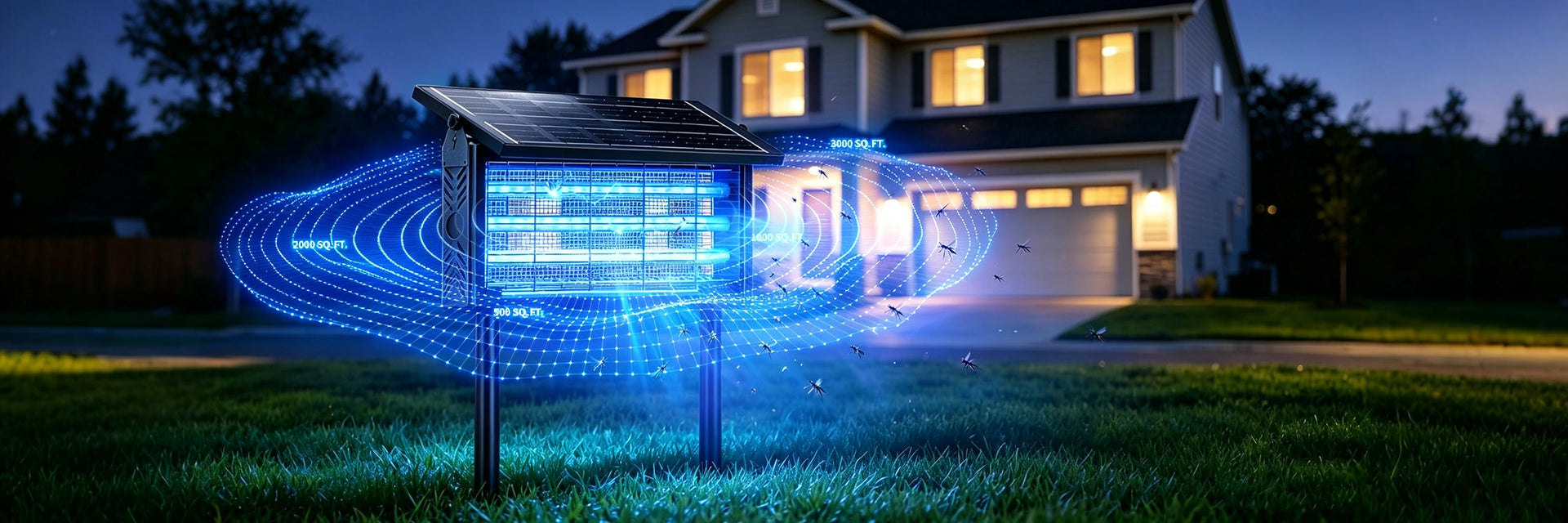
Pairing that habit with a dusk-to-dawn outdoor solution — like a solar-powered UV light trap set up near your patio, deck, or garden — adds coverage during the hours mosquitoes are most active.
Bottom Line
Mosquito season here follows the rain more closely than the calendar. Keeping an eye on standing water year-round, not just in summer, is what actually keeps activity down.