Mosquito-Free Living Insights
How Many Mosquitoes Can One Zapper Really Kill Per Night?
It's one of the most common questions before buying a UV bug zapper: how many mosquitoes will it actually kill? The honest answer is that there's no fixed number — the count depends on where you live, what's breeding nearby, the weather, and how the trap is placed. But that doesn't mean the results are a mystery. Here's how to think about it realistically.
How a Solar UV Zapper Actually Works
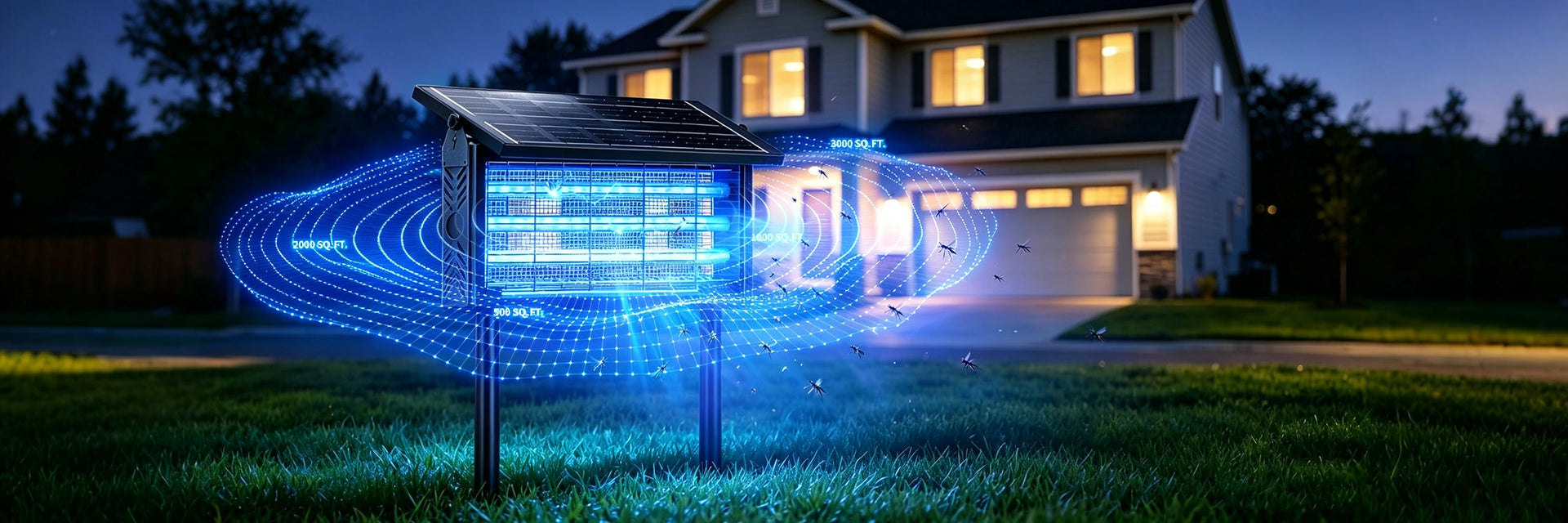
The basic mechanism is simple: a UV bulb or LED emits light in a wavelength range mosquitoes and other flying insects are naturally drawn to. Insects fly toward the light and make contact with an electrified grid (or, on some models, a sticky surface), which is what does the actual "kill" — no chemicals or sprays involved. It runs passively overnight, powered by a battery charged during the day via a solar panel. That's the whole cycle: attract, contact, repeat, every night automatically. (If this article needs to cite a specific grid voltage or wattage, confirm the exact spec for the SKU being referenced — these details vary by model.)
There's No Universal "Kills Per Night" Number
Any number presented as a guaranteed nightly kill count should be treated with skepticism. Mosquito density varies enormously by region, season, and even by yard — a home near a wetland or a pond will see far more insect pressure than one on a dry, elevated lot. A zapper's job isn't to hit a specific kill count; it's to reduce the population of flying insects attracted to UV light within its coverage area over time.
What Independent Reviews Tend to Report
Rather than citing a single kill count, it's more useful to look at how people describe the overall change in their outdoor space. In independent reviews and user reports, a commonly cited range is a 70–80% reduction in noticeable mosquito activity on the patio or backyard after consistent nightly use over one to two weeks. That's a reported, self-observed range from real usage — not a laboratory-verified guarantee, and results will vary depending on your specific conditions. (Verify this figure against the original review source before publishing — confirm it reflects an actual cited report rather than a general estimate.)
It's worth noting what that kind of reduction actually feels like in practice: fewer bites during evening hours, less swatting while sitting outside, and a noticeably quieter patio at dusk — rather than a mosquito-free bubble.
Why Results Vary So Much
A few factors explain the spread between "worked great" and "didn't notice much difference" reviews:
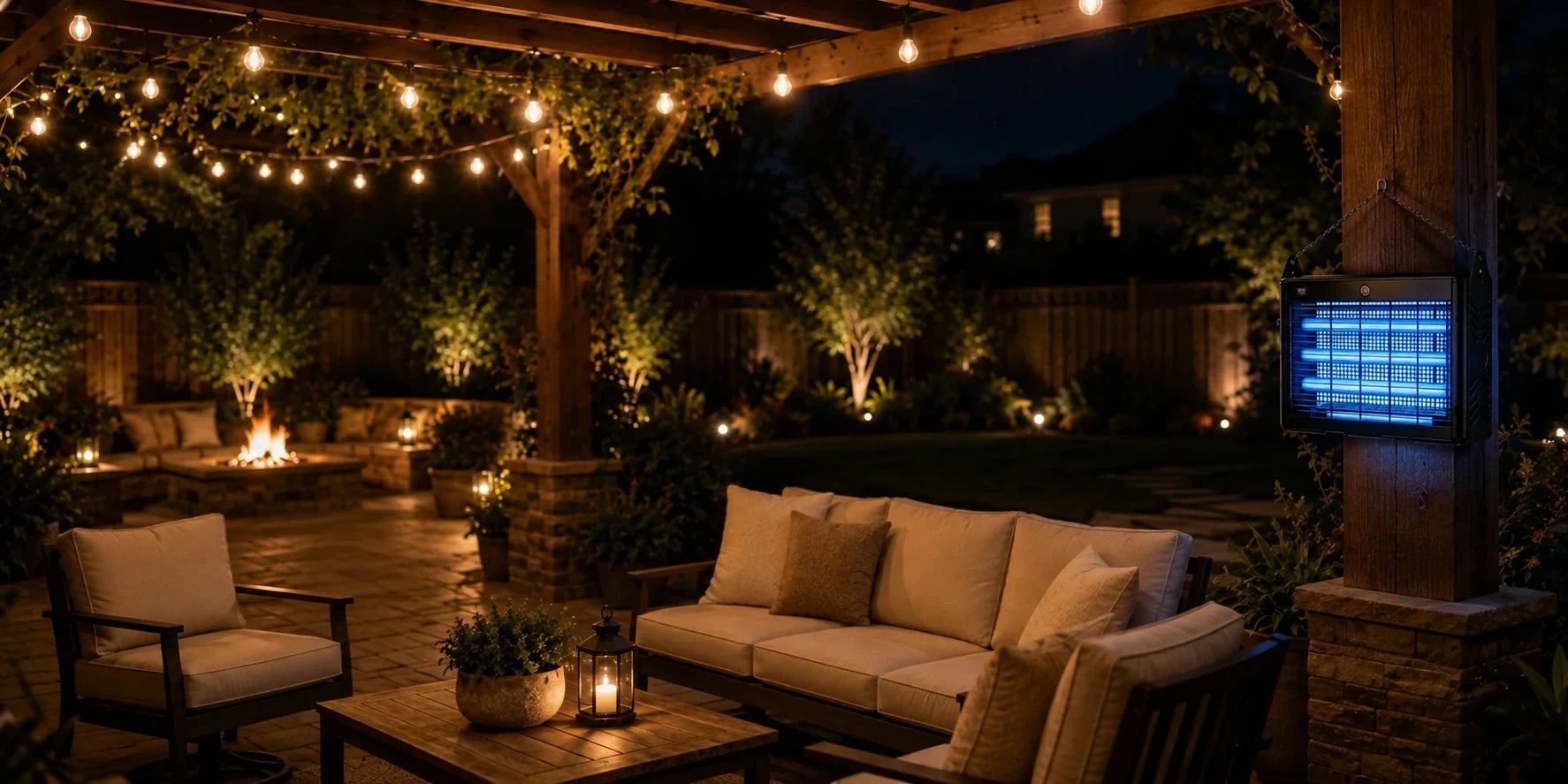
- Placement matters more than most people expect. A zapper hung too close to where people sit can actually draw mosquitoes toward the group before they reach the trap. Placing it well away from seating, along the perimeter of the space, tends to pull insects away from where you're sitting instead. (A specific distance recommendation, like "15–20 feet," should be confirmed against the product manual or manufacturer guidance before including it.)
- Competing light sources reduce effectiveness. Porch lights, string lights, and even bright indoor windows can pull insects toward themselves instead of the UV trap.
- Wind and rain disrupt attraction. UV light travels less effectively in windy conditions, and insects are simply less active during storms.
- Species matters. Some mosquito species are more UV-responsive than others; a few are more attracted to carbon dioxide and body heat, which a UV-only trap won't address as directly.
To get the most consistent results: run the unit every night rather than only on nights you're outside (population buildup means cumulative use matters more than occasional use), keep it away from seating and competing light sources, and pair it with removing standing water nearby.
Bottom Line
There's no honest single number for "mosquitoes killed per night" — anyone claiming otherwise is oversimplifying. What you can reasonably expect, based on how people commonly describe their experience, is a noticeably calmer backyard over the following one to two weeks, especially when the unit is placed well and used consistently.