Mosquito-Free Living Insights
Midwest Mosquito Season: Ohio, Illinois & Michigan Setup Timing
Compared to the Gulf Coast or Southeast, mosquito season in the Midwest is short — but it makes up for that in intensity. States like Ohio, Illinois, and Michigan typically see a compressed window where mosquito activity ramps up fast, peaks hard through summer, and drops off again by early fall. Getting your trap set up at the right moment matters more here than in regions with a longer, more gradual season.
When Does Mosquito Season Start in the Midwest?
Mosquito activity is temperature-driven, not calendar-driven. As a general rule, sustained daytime temperatures around 50°F mark the point where mosquito eggs and larvae begin developing into active adults. In practice, that means:
- Ohio: Activity generally begins mid-to-late April, with consistent activity by early May.
- Illinois: Timing is broadly similar to Ohio, though as with most states, southern areas tend to warm slightly earlier than northern ones like Chicago.
- Michigan: Generally a bit later, roughly late April to mid-May, with northern parts of the state typically lagging behind the south.
Rather than relying on a fixed date, watch your local forecast. Once nighttime lows are consistently staying above 50°F for a stretch of days, it's a strong signal to get your trap out.
The Peak Window
Midwest mosquito season tends to peak from mid-June through August, when both temperature and humidity are highest. This is also when standing water from spring rain has had time to become an active breeding source. During this window, consistent nightly trap operation matters most — this is the highest-pressure period of the year for most Midwest yards.
When It Winds Down
Activity generally tapers by mid-to-late September as temperatures drop, though a warm early fall can extend the season briefly. First hard frost is the clearest signal that the season is effectively over for the year.
Setup Tips for a Short, Intense Season
Because the Midwest window is compressed, a few timing habits make a bigger difference than they would in a longer-season climate:
- Set up early, not on the first hot day. Waiting until mosquitoes are already noticeable means the population has had time to establish. Setting up as soon as the 50°F threshold holds steady gives the trap a head start.
- Don't pack it away too early. A cool early-September evening doesn't mean the season is over — Midwest mosquito activity can persist until the first real frost.
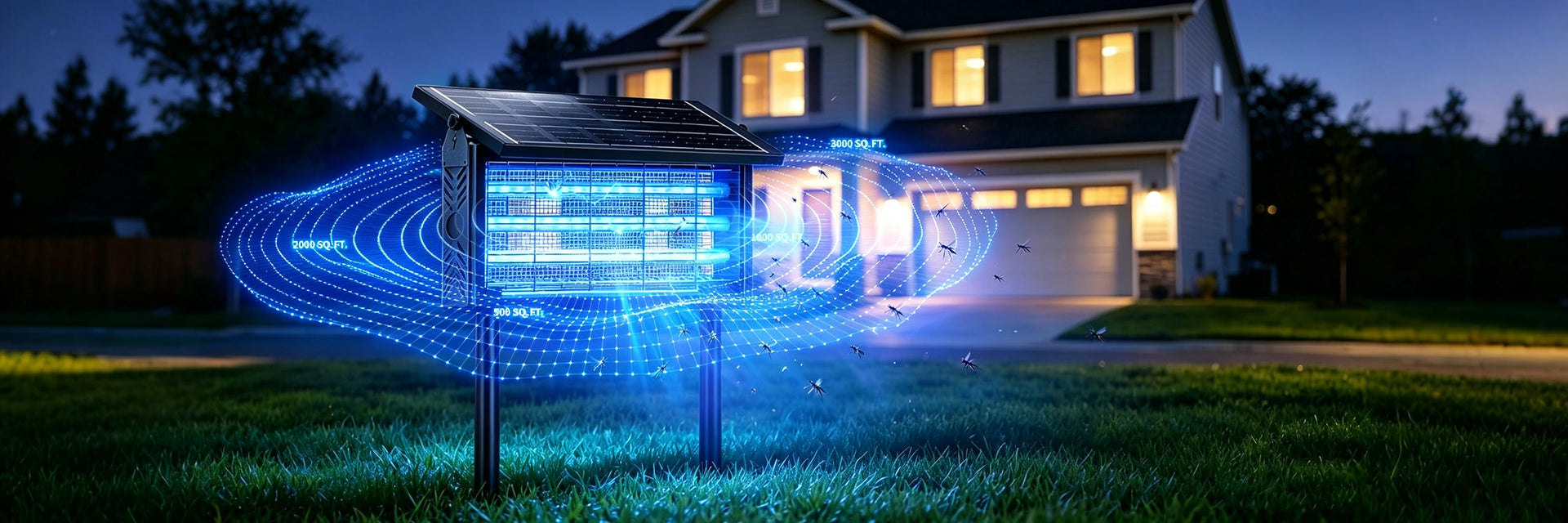
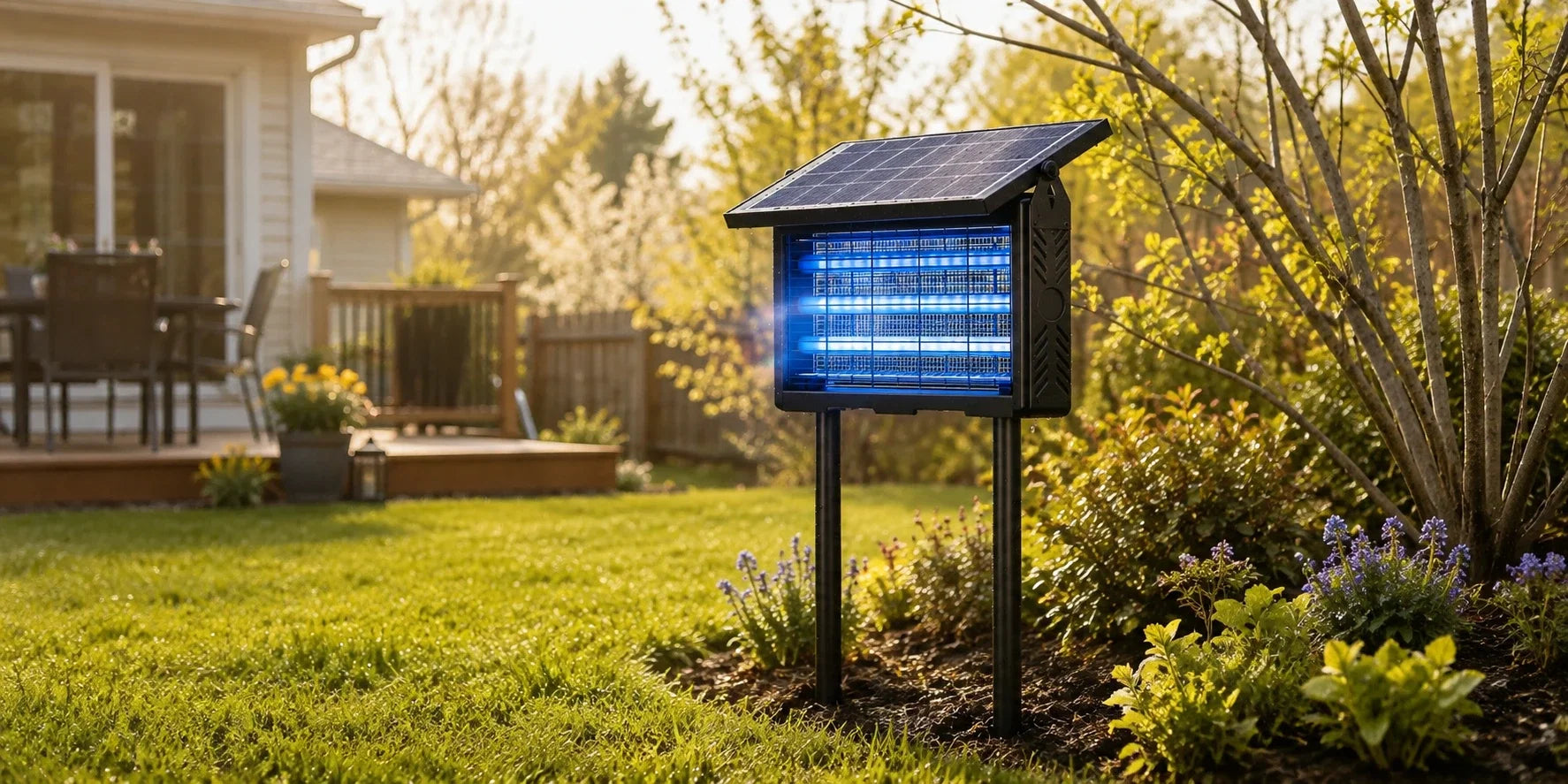
- Check the solar panel angle seasonally. As the sun angle shifts through the season, make sure the panel is still getting full, unobstructed daytime exposure for a consistent nightly charge.
- Pair with standing water checks. Spring rain is a major breeding driver across Ohio, Illinois, and Michigan. A quick walk-through of the yard for standing water in gutters, containers, or low spots complements trap operation, especially early in the season.
The Takeaway
The 50°F threshold is the more reliable cue than the calendar — set up once temperatures hold steady, and don't pack away too early.