Mosquito-Free Living Insights
South Florida Year-Round Mosquito Control: A Deep Dive
South Florida doesn't really have a mosquito season — it has a mosquito climate. While most of the U.S. sees mosquito activity taper off once temperatures drop, South Florida's warmth and humidity keep breeding conditions viable nearly twelve months a year. For homeowners, that means mosquito control isn't a seasonal chore — it's a standing part of maintaining an outdoor space.
Why South Florida Is Different
Mosquitoes need three things to thrive: warmth, standing water, and humidity. South Florida checks all three boxes almost continuously. Winters stay mild rather than cold, and afternoon thunderstorms during the wet season (roughly May through October) leave standing water in gutters, plant saucers, and low-lying yard areas. Even the "dry season" months bring enough humidity and residual moisture to keep mosquito populations from ever fully collapsing.
This near-continuous cycle means a device that only gets used for a few months a year elsewhere may need to run for most of the year in a South Florida backyard.
What Year-Round Use Means for Equipment
Running a mosquito zapper for extended stretches puts different demands on a device than seasonal, intermittent use:
- Housing durability matters more. Constant exposure to humidity, salt air (for coastal properties), and heavy rain means enclosure quality is doing more work here than in drier climates.
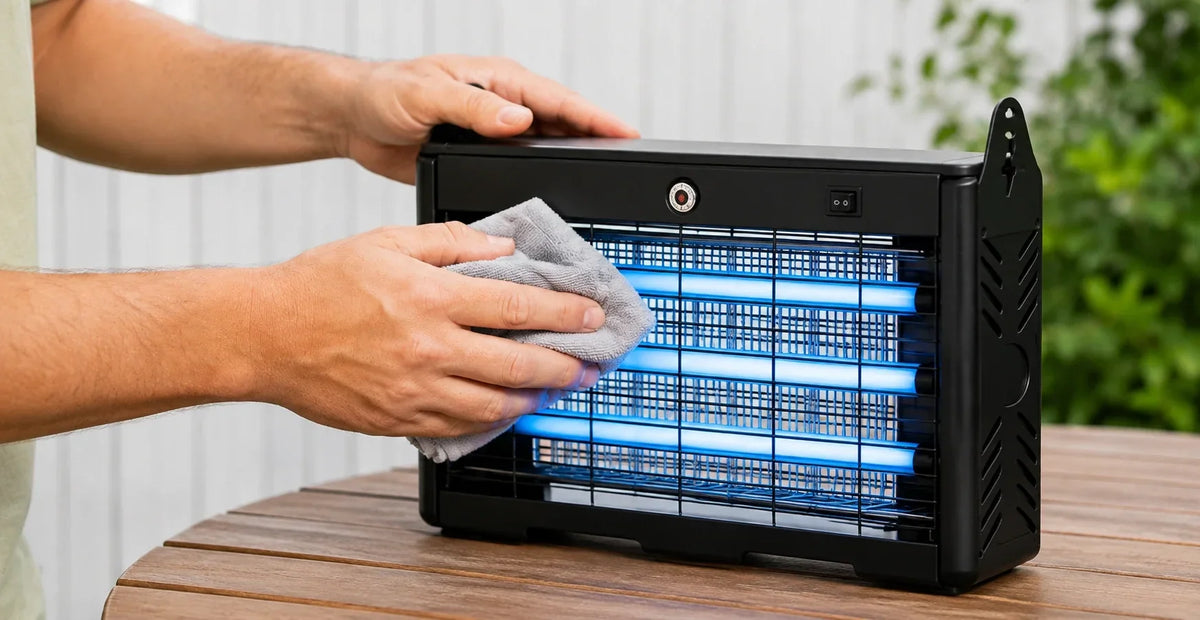
- Consistent maintenance becomes a habit, not a task. With more months of active use, dust and insect debris accumulate faster, so a regular wipe-down and collection tray check should become part of routine yard upkeep rather than an occasional job.
- Placement matters through multiple weather patterns. A spot that works well in the dry season might sit in a flood-prone area during wet-season storms, so it's worth reassessing placement a couple of times a year.
Practical Notes for South Florida Homeowners
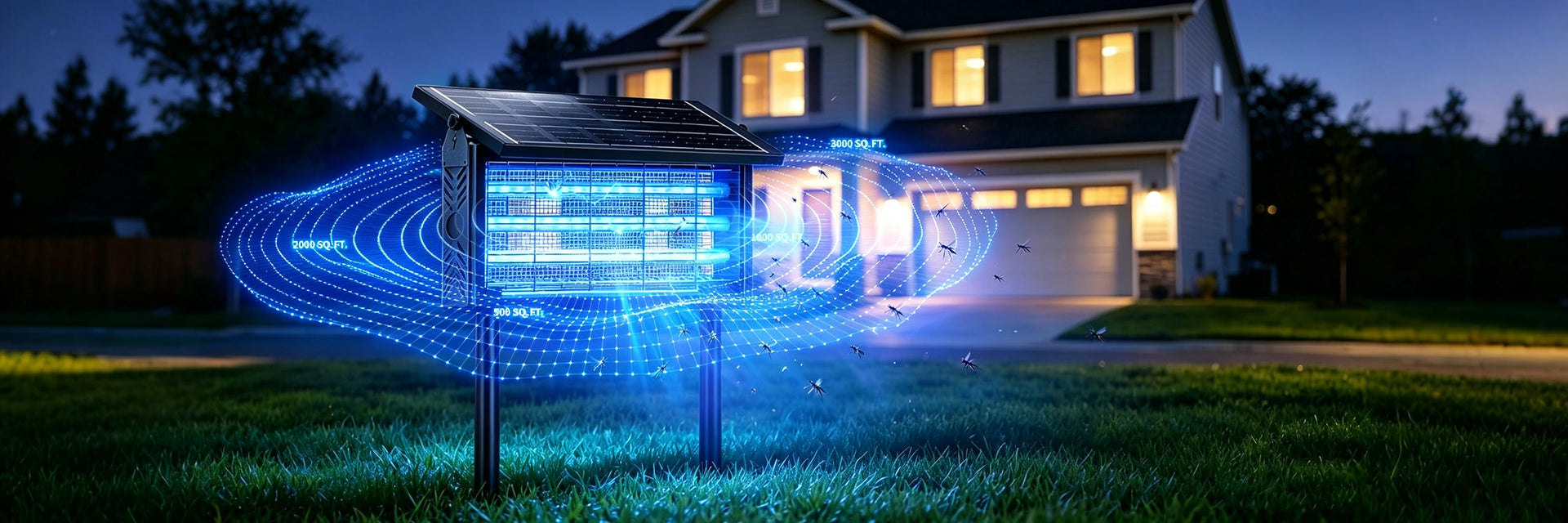
Murutoi's solar-powered zappers are built with sealed, weather-resistant housing designed to handle sustained outdoor exposure, which fits well with a climate that doesn't give equipment much of a break. Because the units charge via a dedicated DC round-pin connector rather than USB-C, they're designed to stay outdoors permanently rather than being brought in and out for charging — a convenient fit for a region where "temporary setup" often just becomes permanent anyway.
For best results in a near-continuous mosquito climate:
- Position units near likely resting or breeding zones — shaded areas, near standing water sources, and away from bright competing light sources.
- Check and empty the collection tray on a consistent schedule, since higher usage means faster buildup.
- Reassess placement seasonally as rain patterns shift between wet and dry months.
Mosquito control in South Florida isn't about gearing up for a season — it's about maintaining a system that can handle being "on" almost all the time.
This guide reflects general seasonal patterns and product design characteristics. Local conditions can vary by property and microclimate.