Mosquito-Free Living Insights
When Are Mosquitoes Most Active? A Zapper Timing Guide
Most people assume mosquitoes are a nighttime problem, full stop. In reality, their activity follows a fairly predictable daily rhythm — and knowing that rhythm makes it a lot easier to get the most out of a solar bug zapper.
The Dusk Surge
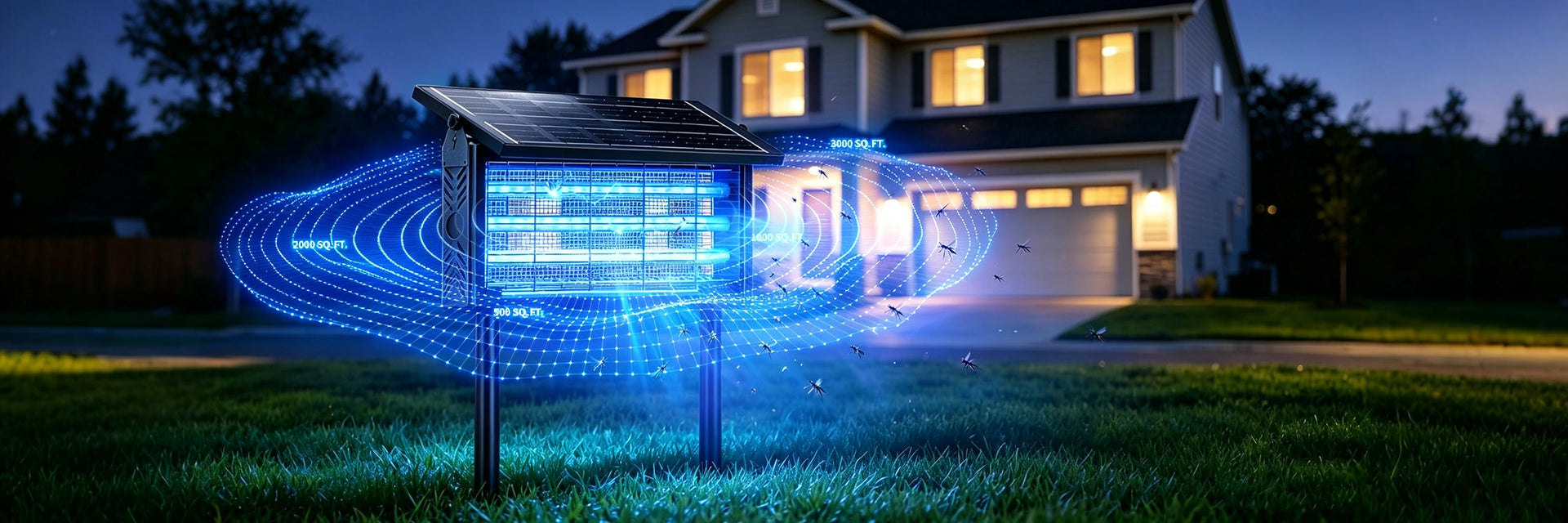
For most common mosquito species, activity ramps up sharply in the hour or two around sunset. Temperatures are dropping from the day's peak, wind tends to die down, and humidity often rises — all conditions mosquitoes favor. This is typically the single busiest window of the day for bites, which is also exactly when a solar zapper's UV attraction starts pulling weight, since it's had all day to charge and is ready to run as the sun goes down.
The Overnight Stretch
Once full darkness sets in, activity generally stays elevated through the first several hours of the night, gradually tapering as temperatures drop further. This is the long middle stretch where a zapper running continuously — rather than something you'd have to reapply or relight — makes the biggest practical difference. It's also the stretch where corded or manual solutions tend to get abandoned simply because nobody wants to keep tending them for hours on end.
The Dawn Window
Right before sunrise, many species see a second, smaller spike in activity as temperatures are still cool and humidity often peaks again overnight. It's a shorter window than dusk, but it explains why early risers heading out for a walk or to start yard work sometimes get bitten more than they'd expect for "morning."
The Midday Lull
Bright sun and higher temperatures in the middle of the day tend to push mosquitoes into shaded, sheltered spots to conserve moisture, which is why midday cookouts often feel far less buggy than an evening one — not because mosquitoes are gone, but because they're resting rather than actively searching for a host.
What This Means for Zapper Placement in Time, Not Just Space
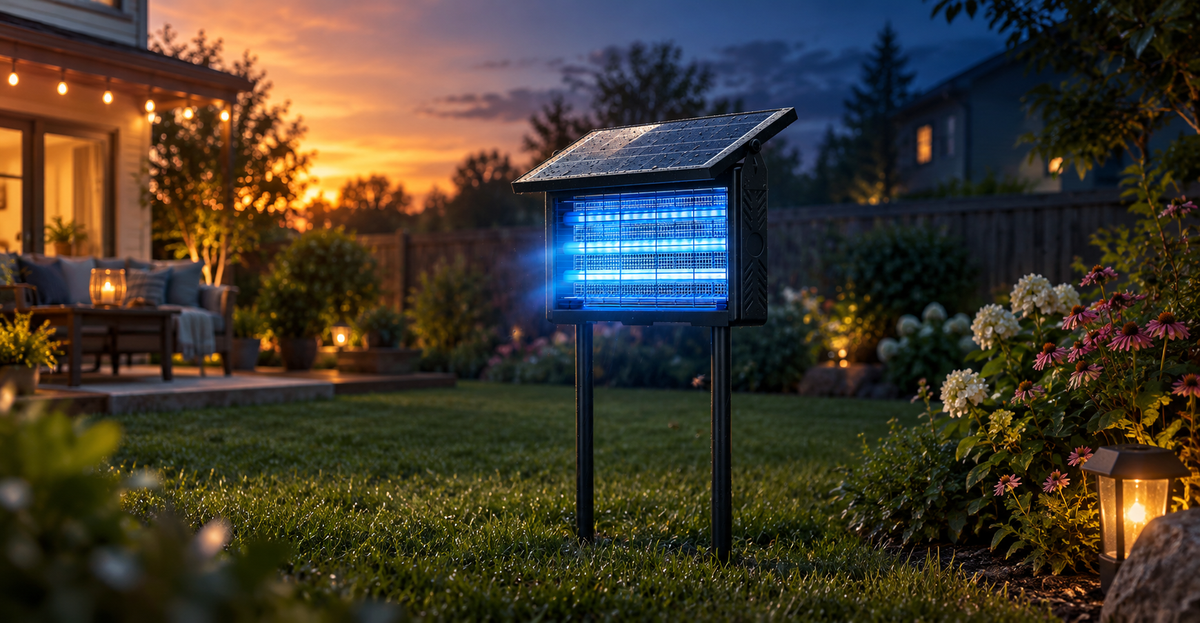
The practical takeaway is simple: if a zapper is only going to run part of the time, dusk through the first few hours of night is the highest-value window by far, followed by the pre-dawn stretch if you're an early-morning outdoor person. Because a solar unit charges during daylight and is designed to run through the evening and night automatically, it naturally lines up with this activity pattern without any scheduling on your part — it's simply active during the hours mosquitoes are, and quietly recharging during the hours they're not.
Understanding the rhythm doesn't change what the zapper does, but it does explain why the difference is so noticeable the moment the sun starts going down.