Mosquito-Free Living Insights
Do Bug Zappers Attract More Mosquitoes? What Placement Really Changes?
One of the most common questions people ask before buying a bug zapper is:
“Will a bug zapper actually help, or will it just attract more mosquitoes into my yard?”
It is a reasonable concern. After all, bug zappers use UV light to attract flying insects, so it may seem like turning one on could bring more mosquitoes closer to your patio, home, or family.
The reality is more balanced.
A bug zapper does not create mosquitoes, increase mosquito breeding, or make your yard produce more insects. However, UV light can attract some flying insects that are already nearby, which means where you place your bug zapper can affect where insect activity happens around your outdoor space.
A properly positioned bug zapper can help reduce nuisance flying insects around areas like patios, gardens, and backyards. But placing one directly beside where people gather may make insect activity more noticeable.
The key is understanding what a bug zapper does—and choosing the right location.
Quick Answer
Before installing a bug zapper, remember:
-
Bug zappers do not increase the mosquito population in your yard.
-
UV light may attract some nearby flying insects toward the device.
-
Placement affects whether insects gather near your seating area or farther away.
-
A bug zapper works best as part of a broader outdoor insect-control routine.
-
Keeping the unit away from patios, doors, and high-traffic areas is usually the better choice.
The goal is not to make your entire yard insect-free. The goal is to create a more comfortable outdoor space by placing the device where it can work effectively.
Why Does It Seem Like Bug Zappers Attract More Mosquitoes?
Many homeowners notice the same thing after turning on a bug zapper:
They see insects around the light and think:
“Did this device just bring more bugs here?”
Usually, what is happening is that the bug zapper has created a visible attraction point.
Flying insects that were already active nearby may move toward the UV light, making their activity easier to notice. This does not necessarily mean there are more mosquitoes in your yard—it simply means the insects are being drawn toward a specific area.
Mosquito activity depends on many environmental factors, including:
-
Standing water around your property
-
Weather and humidity
-
Vegetation and shaded areas
-
Nearby breeding areas
-
The presence of people and animals
A bug zapper affects insects that come close enough to the device. It does not create new mosquitoes or change the conditions that allow mosquitoes to reproduce.
Do Bug Zappers Attract Mosquitoes From Far Away?
A common misconception is that a bug zapper works like a magnet that pulls mosquitoes from everywhere nearby.
Most UV bug zappers do not work that way.
They attract certain flying insects that respond to light. How effective the attraction is depends on factors such as:
-
The surrounding environment
-
Other lights nearby
-
Insect activity in the area
-
Weather conditions
-
The placement of the device
For example, a bug zapper placed in a darker garden area may perform differently from one placed beside bright patio lighting.
Instead of thinking of a bug zapper as “bringing mosquitoes into your yard,” it is more accurate to think of it as creating an attraction point within the area where insects are already active.
Where Should You Place a Bug Zapper?
Placement is one of the most important factors when using a bug zapper.
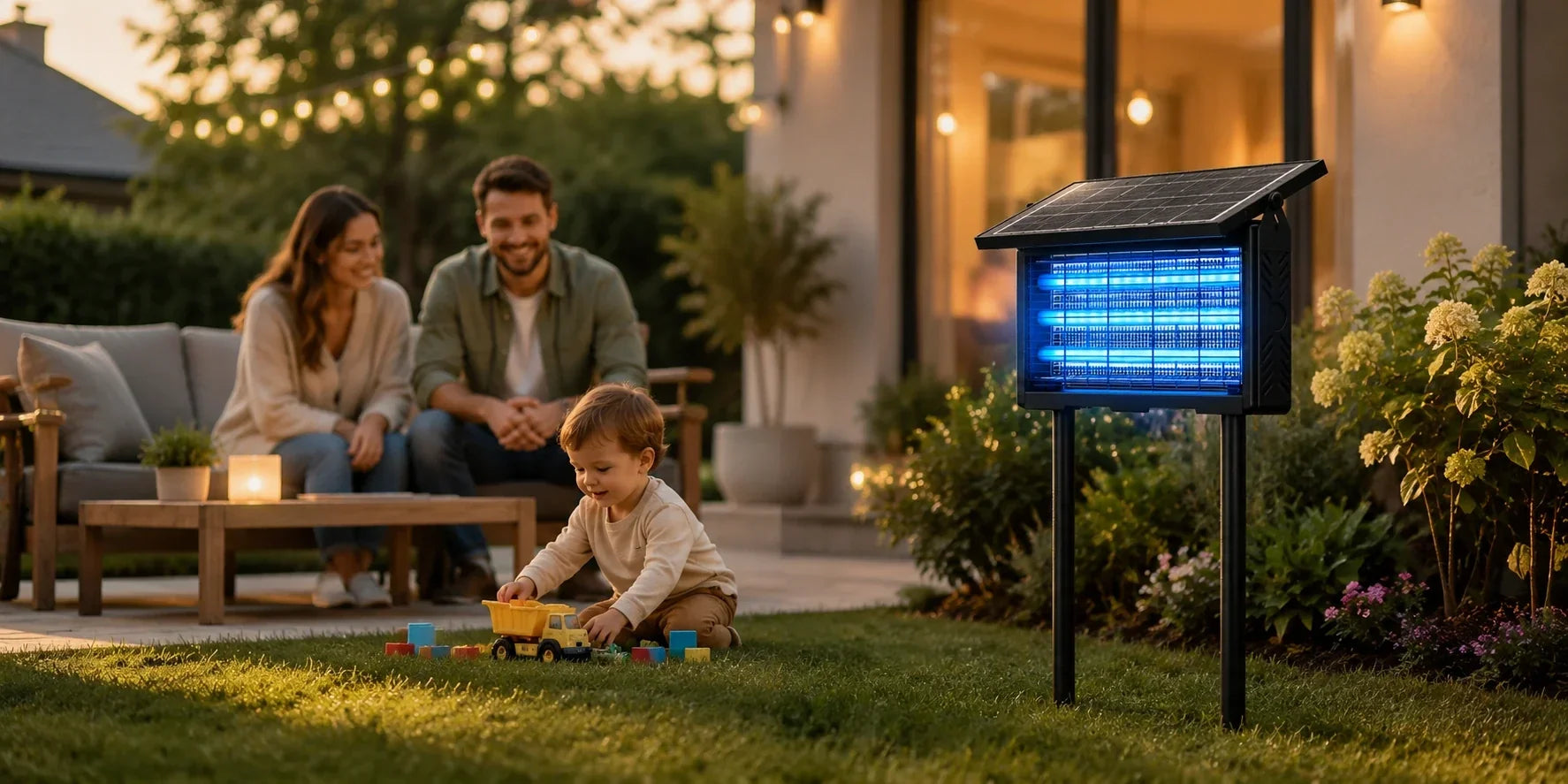
The best location is usually away from the areas where people spend the most time.
Keep It Away From Seating Areas
A common mistake is placing a bug zapper directly beside:
-
Patio tables
-
Outdoor sofas
-
Grills
-
Lounging areas
While the device may still operate, having the attraction point right next to people can make insect activity more noticeable.
Instead, place the zapper farther away from your main seating area when possible. The goal is to encourage insect activity away from where your family relaxes.
Avoid Placing It Near Doors and Windows
Installing a bug zapper directly beside a doorway is another common mistake.
A bright UV light near an entrance may make that area more attractive to flying insects.
For better placement:
-
Keep the unit away from frequently opened doors.
-
Avoid placing it directly beside unscreened windows.
-
Position it toward the edge of your outdoor living area when possible.
This can help prevent your doorway or patio entrance from becoming the main insect activity zone.
Choose a Location Away From Competing Lights
Outdoor lighting can influence how noticeable a UV light is to flying insects.
Strong lights such as:
-
Porch lights
-
Floodlights
-
Decorative garden lighting
may compete with the bug zapper.
A slightly darker location can help the UV light stand out more clearly.
What a Bug Zapper Can and Cannot Do
A bug zapper can be a useful tool for managing outdoor flying insects, but it is important to have realistic expectations.
A Bug Zapper Can:
-
Attract some light-responsive flying insects
-
Help reduce insects that contact the electric grid
-
Provide continuous operation when properly installed
-
Offer a chemical-free alternative to sprays
-
Improve comfort around outdoor spaces when positioned correctly
A Bug Zapper Cannot:
-
Prevent mosquitoes from breeding
-
Remove standing water from your property
-
Guarantee a mosquito-free backyard
-
Replace all mosquito prevention methods
For the best outdoor experience, combine a bug zapper with simple mosquito-control habits, such as removing standing water, maintaining screens, and using appropriate protection when needed.
How Murutoi Solar Bug Zapper Supports Better Placement
Finding the right location is one of the biggest challenges with outdoor insect control.
Many homeowners want to place a bug zapper away from seating areas while still making sure the solar panel receives enough sunlight.
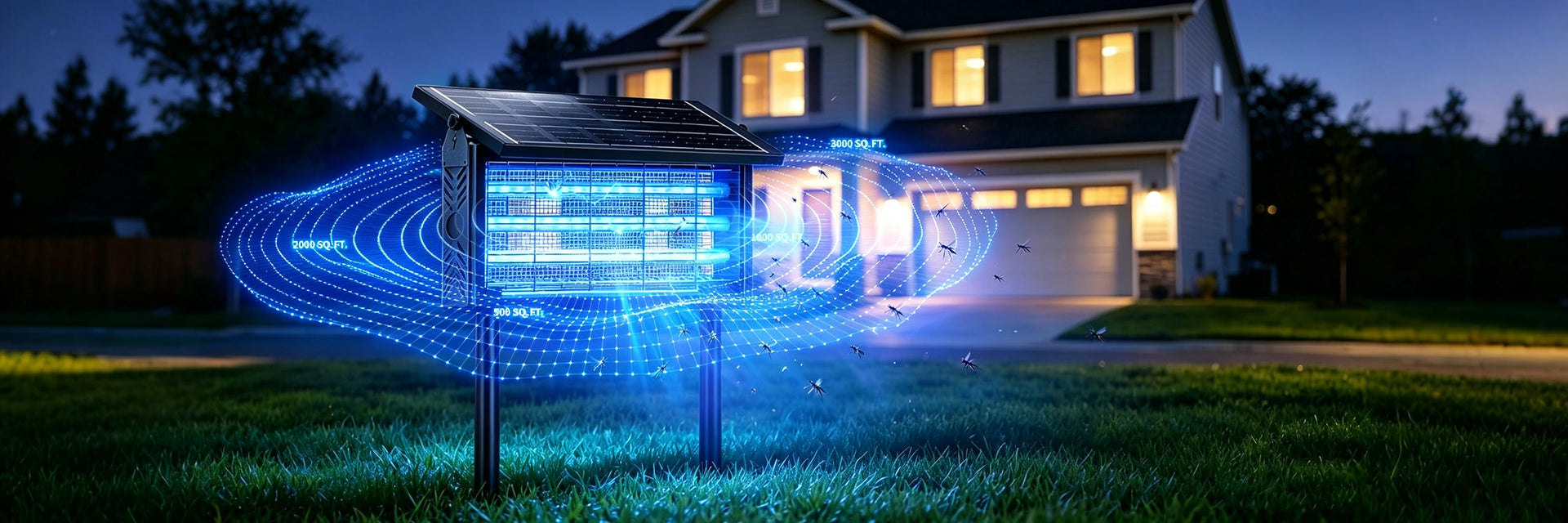
The Murutoi Solar Bug Zapper is designed with flexible outdoor placement in mind.
Features include:
-
Solar-powered operation
-
USB charging option
-
Automatic dusk-to-dawn function
-
Multiple installation options
-
Outdoor-ready design
-
Flexible solar panel positioning with an extension cable
This allows homeowners to place the solar panel where it can receive sunlight while positioning the bug zapper itself in a more practical location around patios, gardens, backyards, campsites, or RV areas.
A good setup is one where the device can work effectively without becoming part of your main living space.
Common Bug Zapper Placement Mistakes
Placing It on the Patio Table
A bug zapper should not be placed directly where people eat or relax.
Move the attraction point away from your main activity area.
Hanging It Above People
Avoid placing the unit directly above chairs, dining areas, or walkways.
Choose a stable location with enough clearance.
Installing It Beside an Entrance
A bug zapper next to a door may bring insect activity closer to the place you enter and exit.
Forgetting Maintenance
Outdoor devices collect dust, insects, and debris over time.
Regular cleaning helps maintain performance. Always follow the manufacturer's cleaning instructions before maintenance.
Final Thoughts: Do Bug Zappers Attract More Mosquitoes?
Bug zappers do not create more mosquitoes or increase the mosquito population in your yard.
However, UV light can attract some nearby flying insects, which means placement plays an important role in your overall experience.
For better results:
-
Place your bug zapper away from seating areas.
-
Keep it away from doors and windows.
-
Avoid strong competing lights when possible.
-
Choose a location that fits your outdoor space.
-
Use it together with other mosquito-control habits.
A bug zapper is not a complete mosquito solution by itself, but when installed in the right location, it can be a convenient and low-maintenance way to help manage nuisance flying insects around your backyard.
Explore Flexible Solar-Powered Insect Control
The Murutoi Solar Bug Zapper is designed for homeowners who want flexible placement, cordless solar charging, and a cleaner way to manage flying insects around patios, gardens, and outdoor living spaces.